
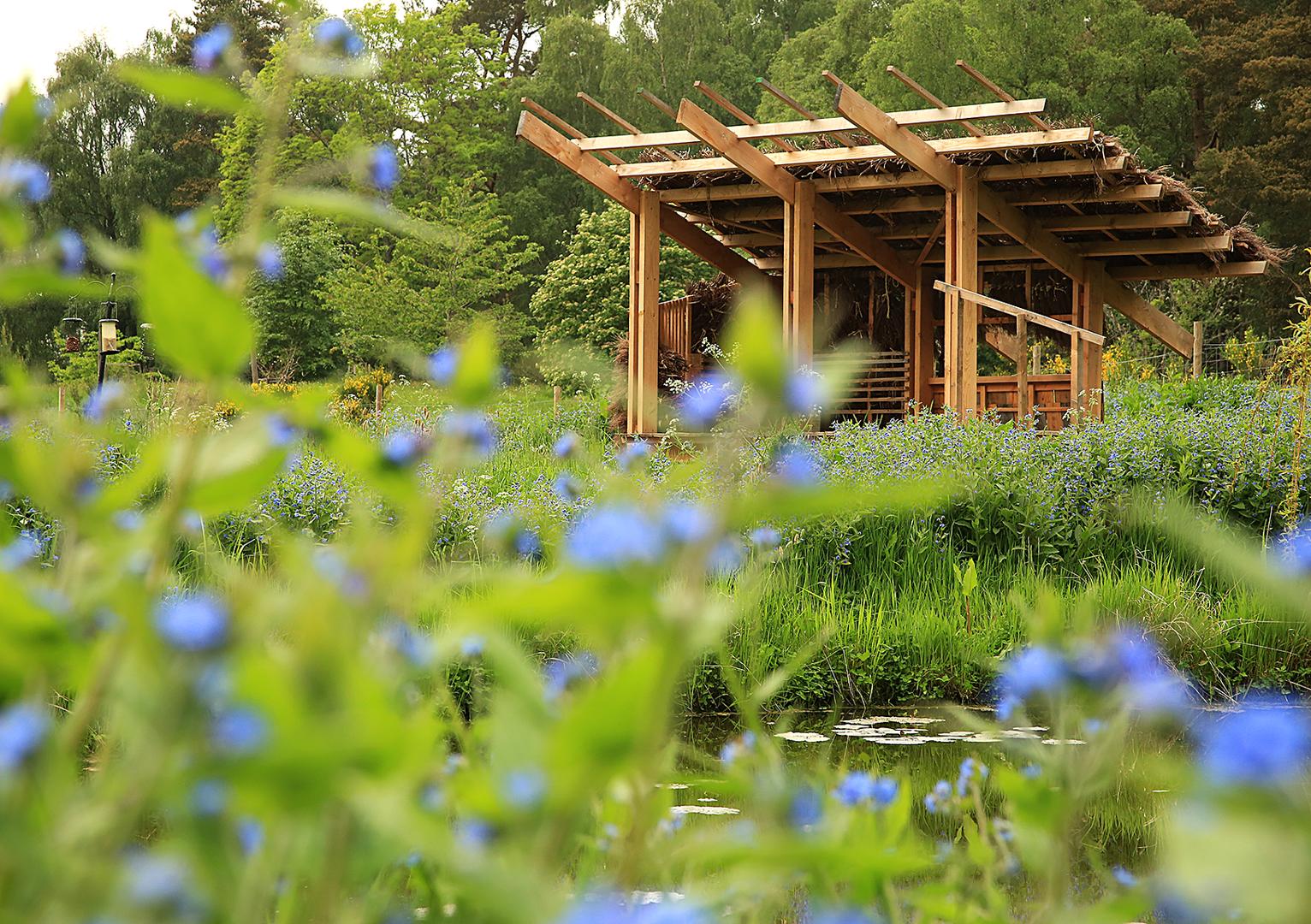
The shielin-bough project was a collaborative process which shared and celebrated the intangible cultural heritage of shelters, making and building and storytelling in Scottish and Finnish rural culture. The project developed innovative, multidisciplinary, place-based creative education for rural locations, prototyping new ways of doing and working together in northern places.
Text: Gina Wall, Glasgow School of Art, Scotland & Timo Jokela, University of Lapland, Finland
Cover photo: Figure 1. Shielin-laavu. Photo: Gina Wall, 2024.
Info
Shielin-bough was a collaborative, inter-institutional project between The Glasgow School of Art (GSA) and the University of Lapland (UoL), supported financially by the Scottish Government and the Finnish Institute UK + Ireland. For further information please visit: www.shielinbough.co.uk
The shieling in Scotland and laavu in Finland are temporary shelters or dwellings built from natural materials, used by those working in nature away from permanent settlements. The thematic scope of the project allowed for the examination of Arctic and Near Arctic ecocultures in the spirit and values of the Arctic University: bridging the past and present, traditional knowledge and contemporary practices together to foster revitalisation. Shielin-bough is a good example of the Arctic Sustainable Art and Design Thematic Network’s approach to bringing sustainability-focused research, art, and education into practice across various Northern and Arctic regions. The project also demonstrates the porous boundaries between contemporary art, architecture, and craftsmanship discovered though new genre Arctic art education.
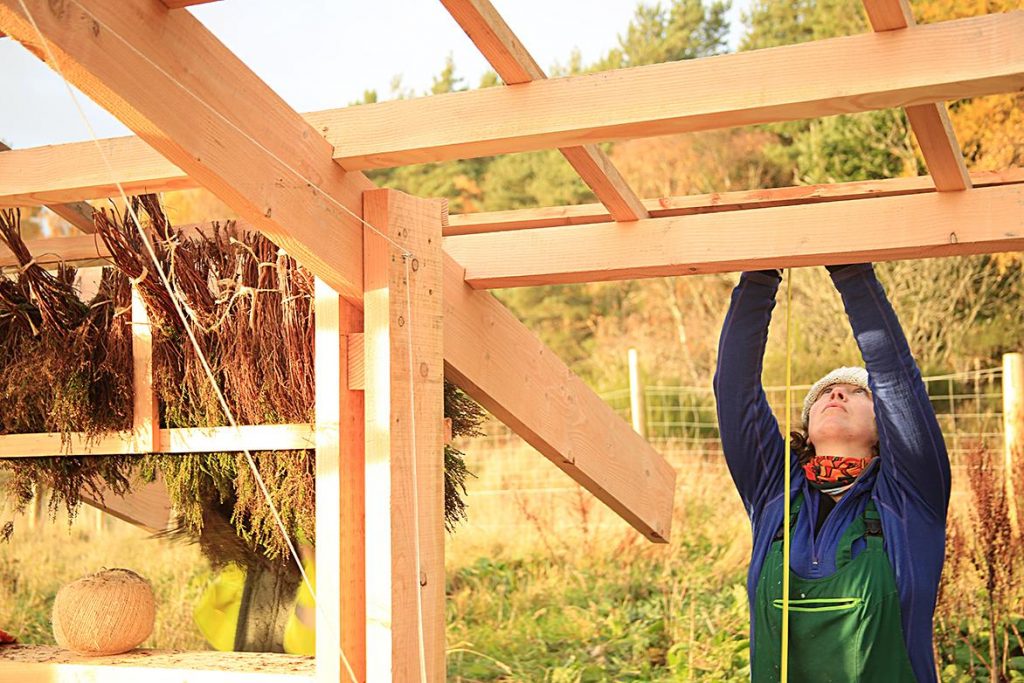
This project began with field trips and workshops which took place in each location, investigating the respective culture of the shieling and laavu in Scotland and Finland. The participants were brought together online to share their findings and research in a virtual symposium. A crucial part of the project was the student-led design and build of the laavu, delivered through a two day co-design workshop and the week long FieldSchool, a live build at The Glasgow School of Art’s Highlands & Islands campus. The structure has been created in collaboration, based on sharing participants’ skills and diverse inter-cultural experiences. Notably, the project is interdisciplinary, with students joining from a range of educational programmes at various levels in Fine Art, Art Education, Design Innovation, and Architecture in Finland and Scotland.
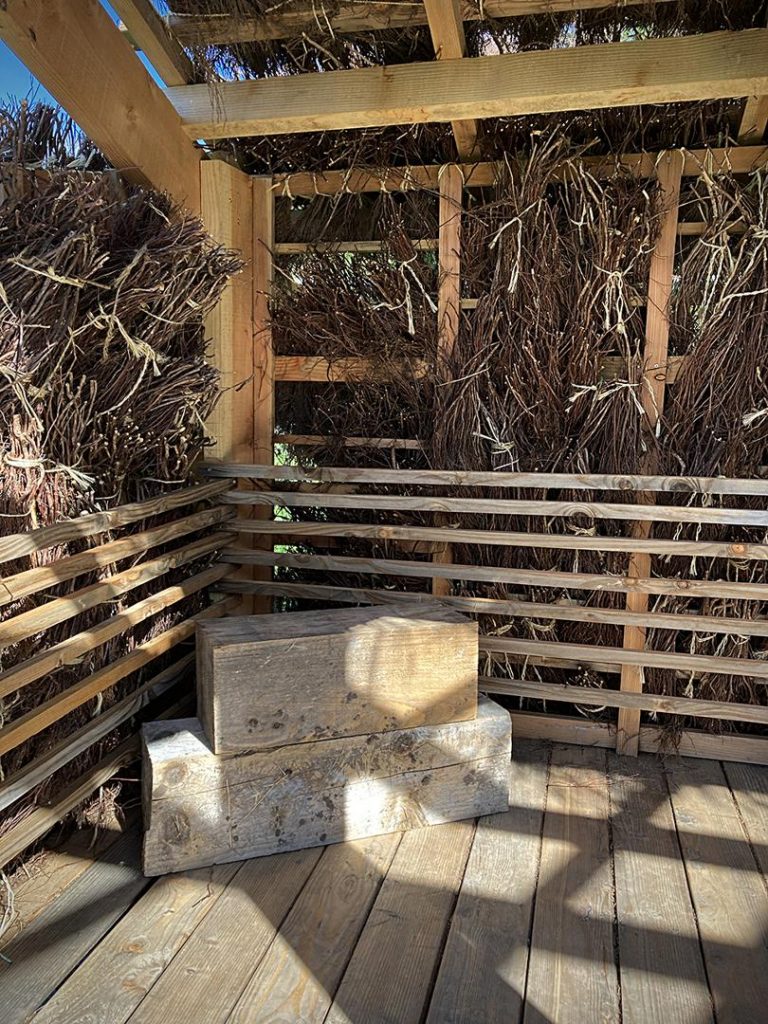
The project has a deep focus on the relation between people and place, and the participating students have been concerned to ensure that the building is as sustainable as possible. In response to this, the project has used untreated wood which was locally sourced from Logie Timber, a sawmill only a handful of miles from GSA H&I. The trees that were milled were grown within a 60 mile radius of the sawmill, the students also explored the innovative use of traditional materials such as wooden shingles and thatch made from heather, sustainably sourced from the Cairngorms.
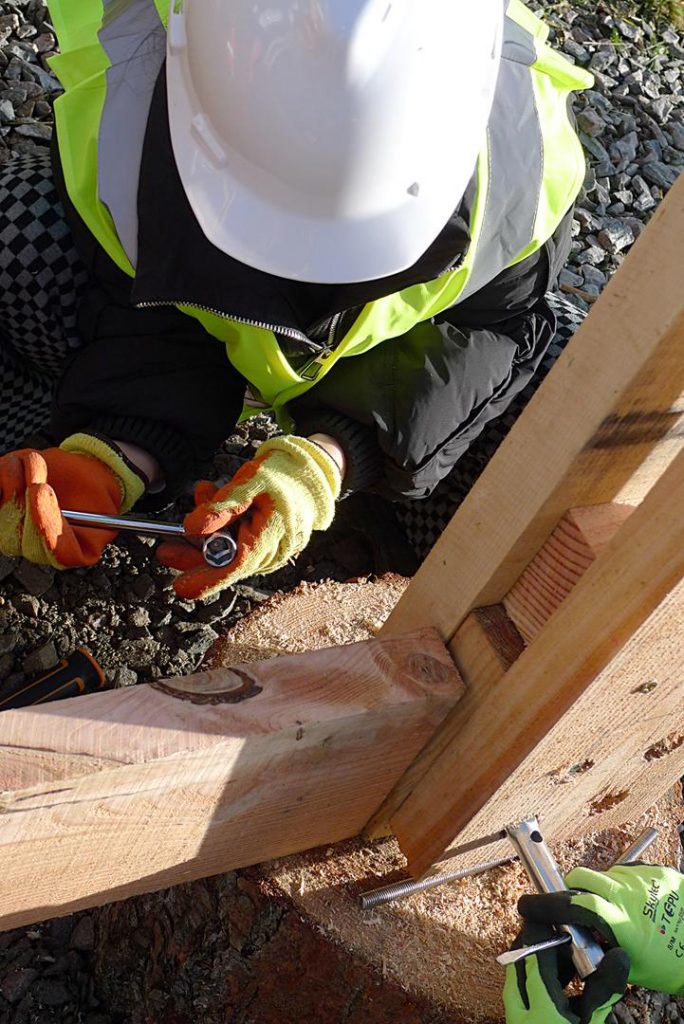
The brief for the co-design suggested that the laavu should sit lightly in its surroundings, and the decision not to use concrete footings or dug foundations necessitated an innovative response to this. The resulting foundation feet, or Tenon logs, were designed by staff at the Mackintosh School of Architecture and made in collaboration with Logie Timber using large Douglas Fir logs milled to include a tenon onto which the portal frame could be attached.
It was apparent throughout the project that regardless of discipline, students thrive when engaged in experiential learning with high quality materials. Crucial to this project is learning through doing and the development of material literacies via practical handling. By engaging the students in live learning, FieldSchool responds to contemporary estrangements from tacit, embodied knowledge, exacerbated by the SARS-CoV-2 pandemic. For the students of architecture and fine art, handling materials at scale was especially important in coming to understand the realities of the construction. For students more used to working on screens in a design studio, the opportunity to learn new skills with materials was transformative. For teachers and students of art and education, the opportunity to work across flattened hierarchies in a genuinely engaged way was liberating and generative in terms of learning with and together