


Diversity and Inclusion
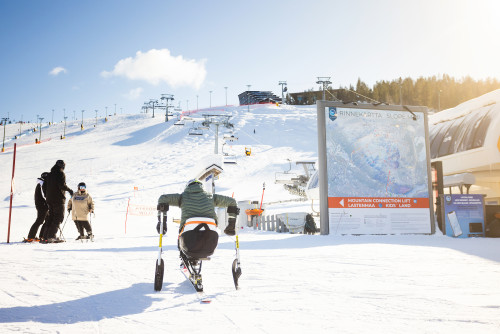
Inclusive tourism refers to creating travel experiences that are welcoming and accessible to everyone, regardless of age, ability, cultural background, or financial situation. It focuses on removing physical, informational, and social barriers so that all people can participate in tourism safely and comfortably. In the EU Transition Pathway for Tourism, inclusive tourism is addressed mainly through its social dimension, aiming to promote accessibility, fairness, and inclusivity across the tourism ecosystem. Accessible tourism specifically means designing tourism services and environments that can be used by people of all abilities, including those with physical, sensory, or cognitive disabilities. It considers accessibility from the perspectives of movement, hearing, seeing, and neuro-accessibility, and seeks to remove barriers in transport, accommodation, attractions, and information. Accessibility is a human rights issue, and developing inclusive and accessible tourism is both ethically important and economically beneficial, as it supports equality, opens new markets, and strengthens sustainability and reputation.
Image: Kideve imagebank, Timo Veijalainen
Additional material