BiodivTransform funding for Ecological Pilgrimage 2026-2029

Ecological Pilgrimage: Engaging with biodiversity through walking interventions
With biodiversity in rapid decline, there is an urgent need to rethink and repair human–nature relationships. The project develops the concept of ‘Ecological Pilgrimage’ along four hiking trails in Norway, Iceland, Finland, and Sweden, in areas where forestry, infrastructure projects, nature conservation, tourism, agriculture, and hunting shape local ecosystems. Unlike historical colonial expeditions and religious ceremonies, Ecological Pilgrimage is understood as a form of walking that safeguards biodiversity and fosters meaningful engagement among more-than-human communities. Through national and transnational walking interventions, the research consortium brings together actors from different fields to develop creative ecological pilgrimage practices. The project broadens understanding of the role of tourism and outdoor recreation in times of ecological crisis and supports the EU Biodiversity Strategy to restore nature across Europe.
Funding in total: 1,084,773 € / 2.2.2026-30.1.2029
Consortium: University of Lapland (FI/project coordinator), LUKE (FI), Swedish University of Agricultural Sciences (SE), Umeå University (SE), Norwegian Institute for Nature Research / NINA (NO), National Pilgrimage Center (NO), University of Iceland (IS).

For more information, please contact Emily Höckert emily.hockert(at)ulapland.fi
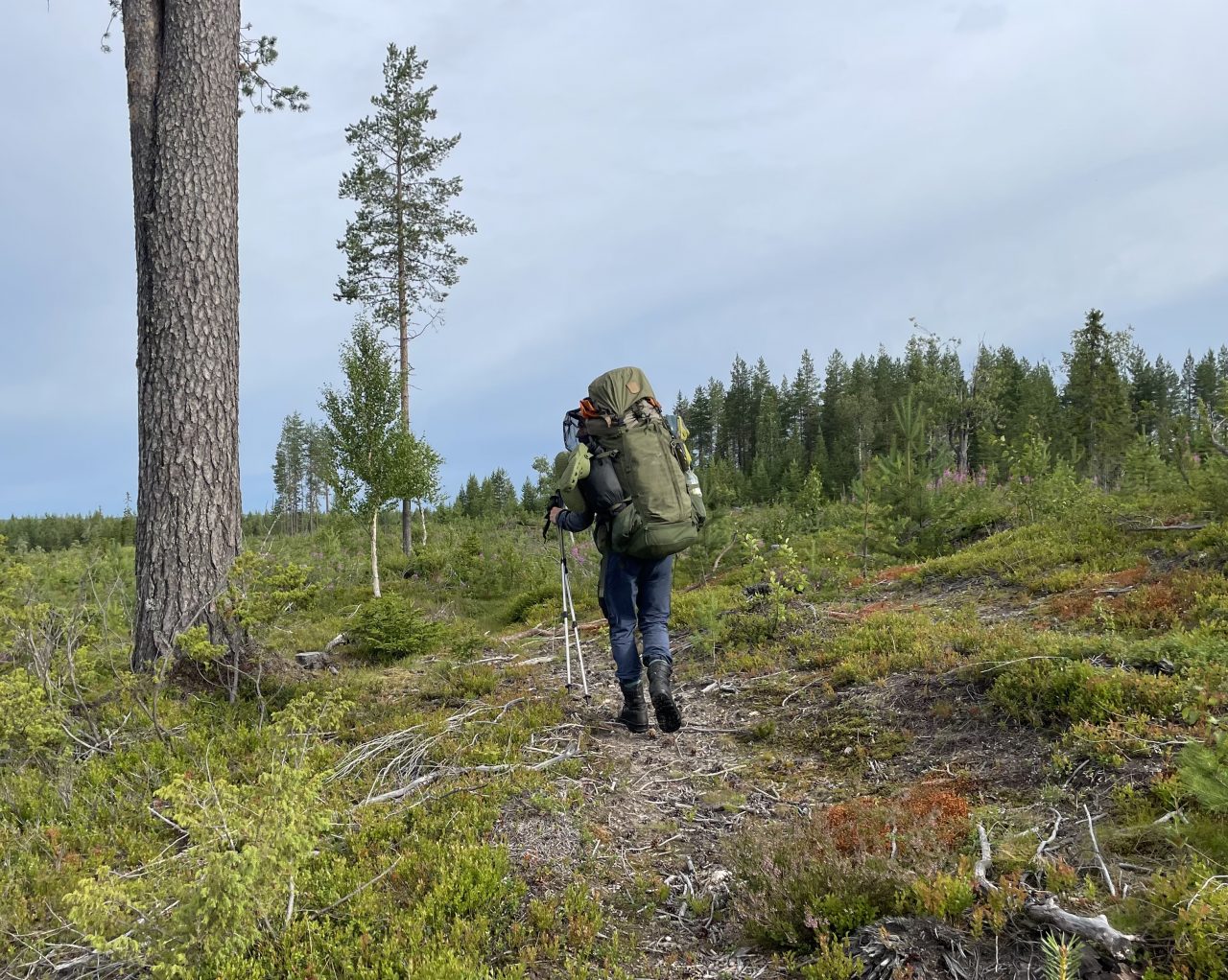
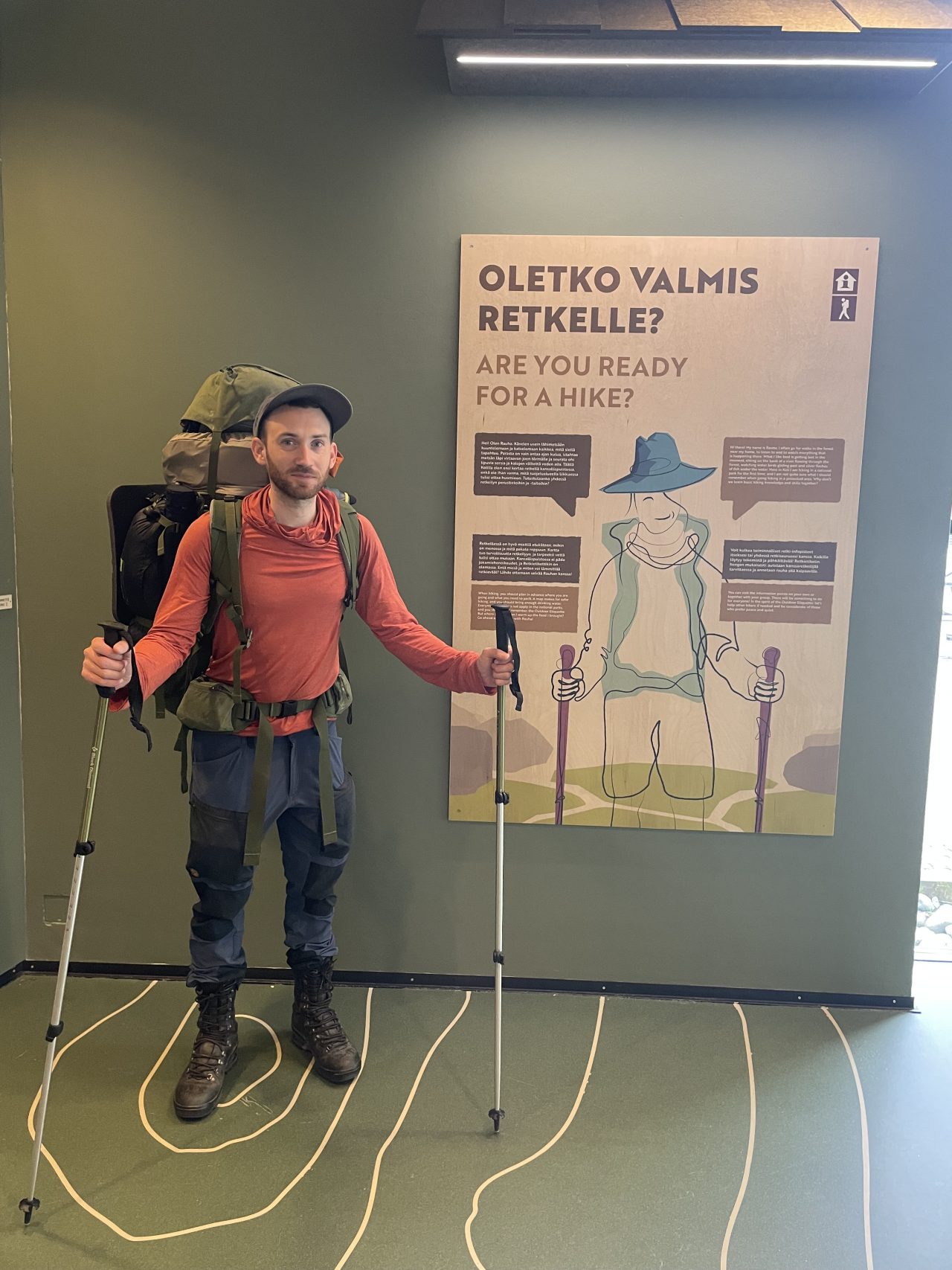
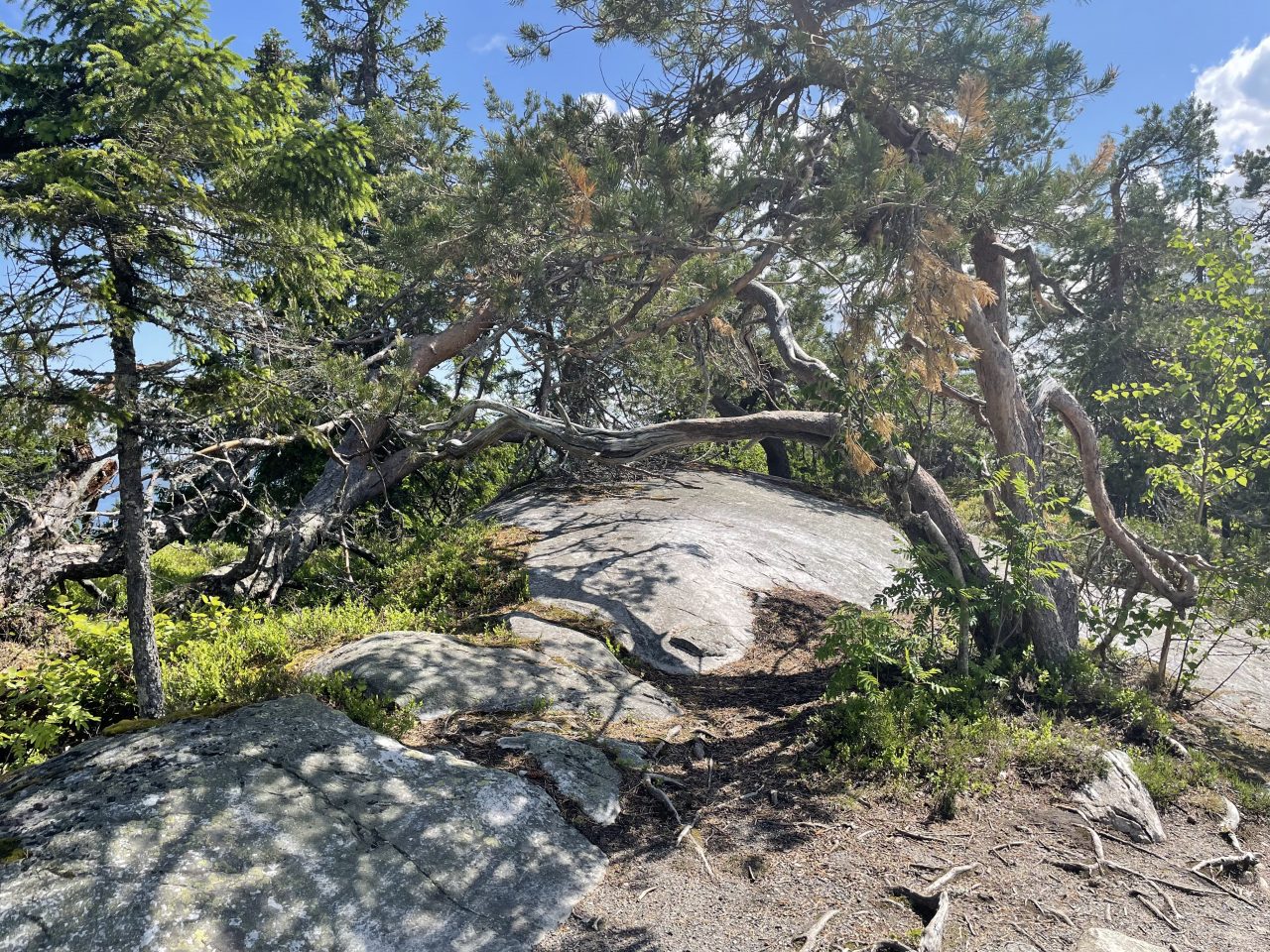
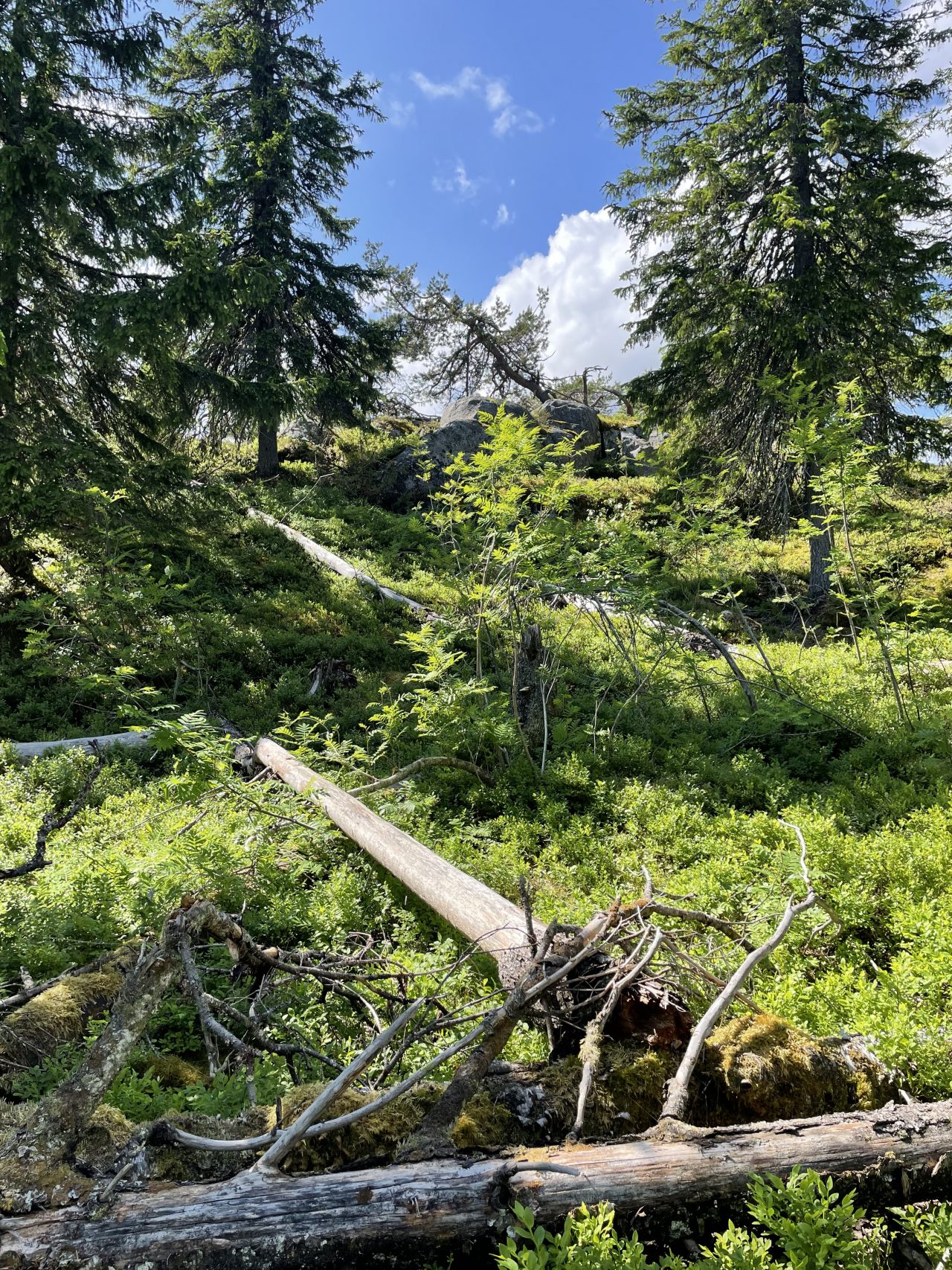
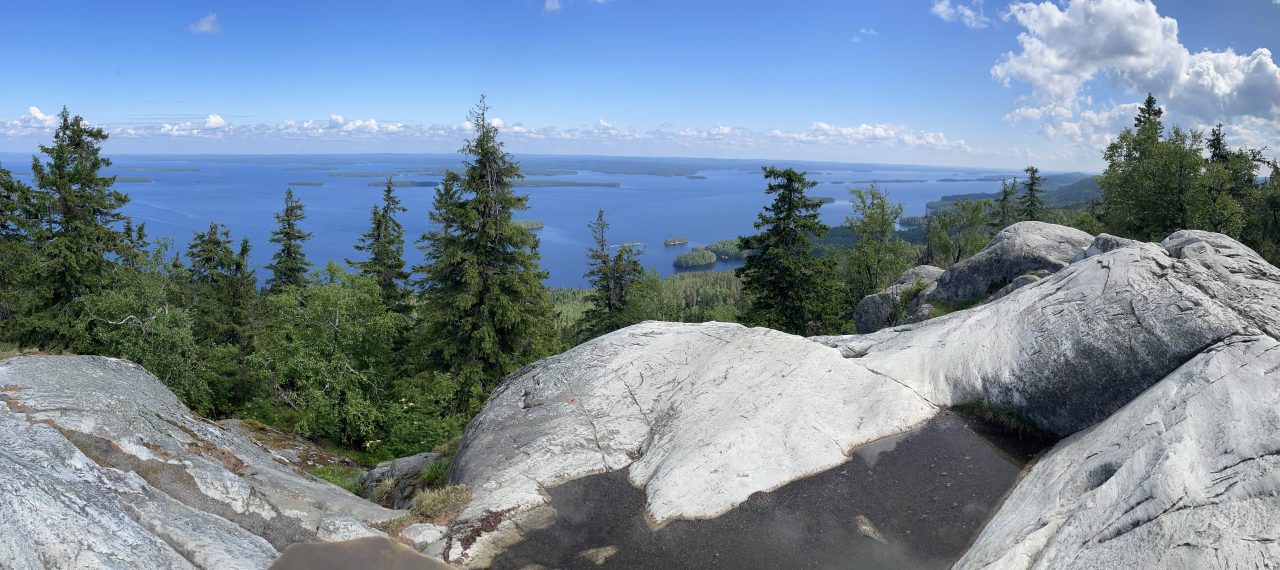
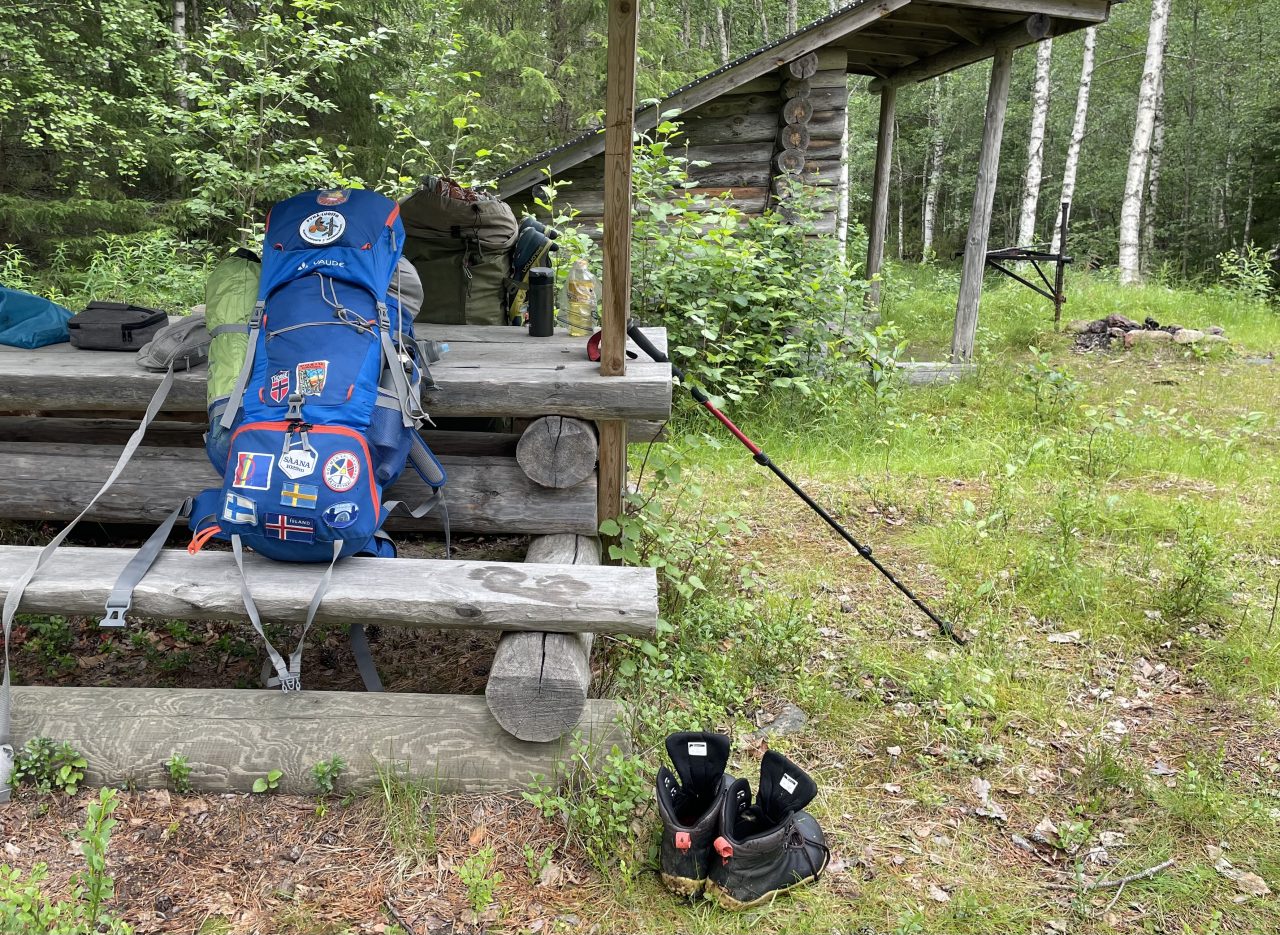
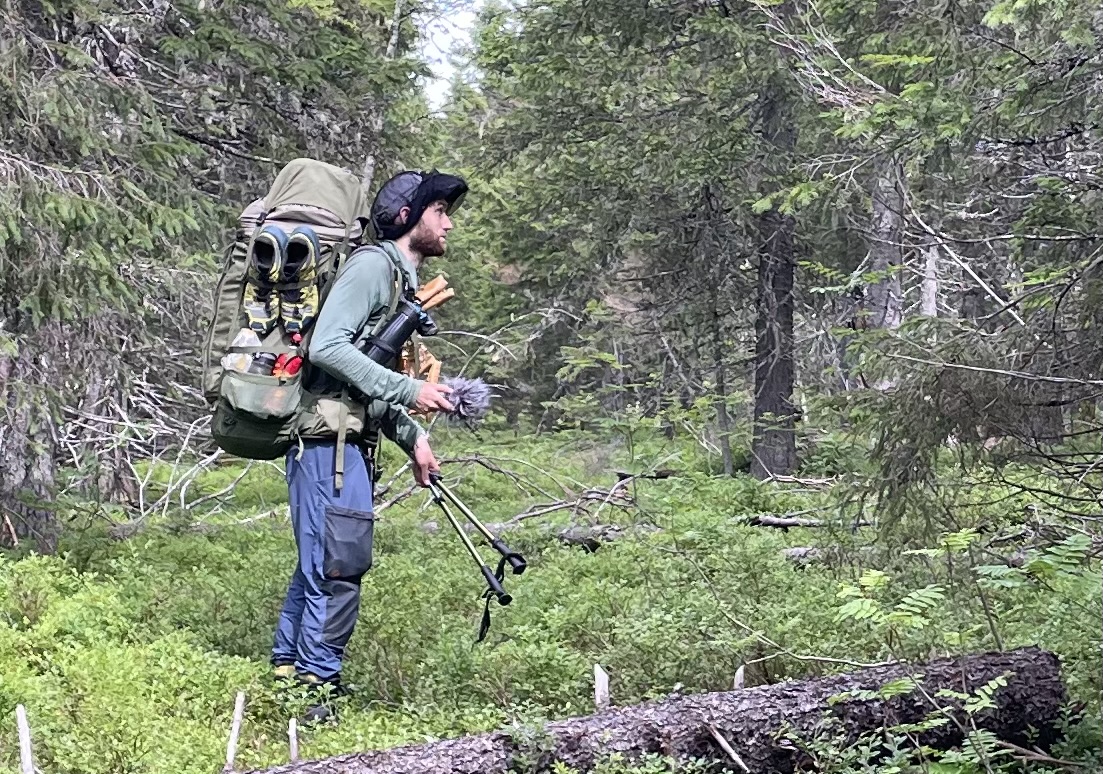
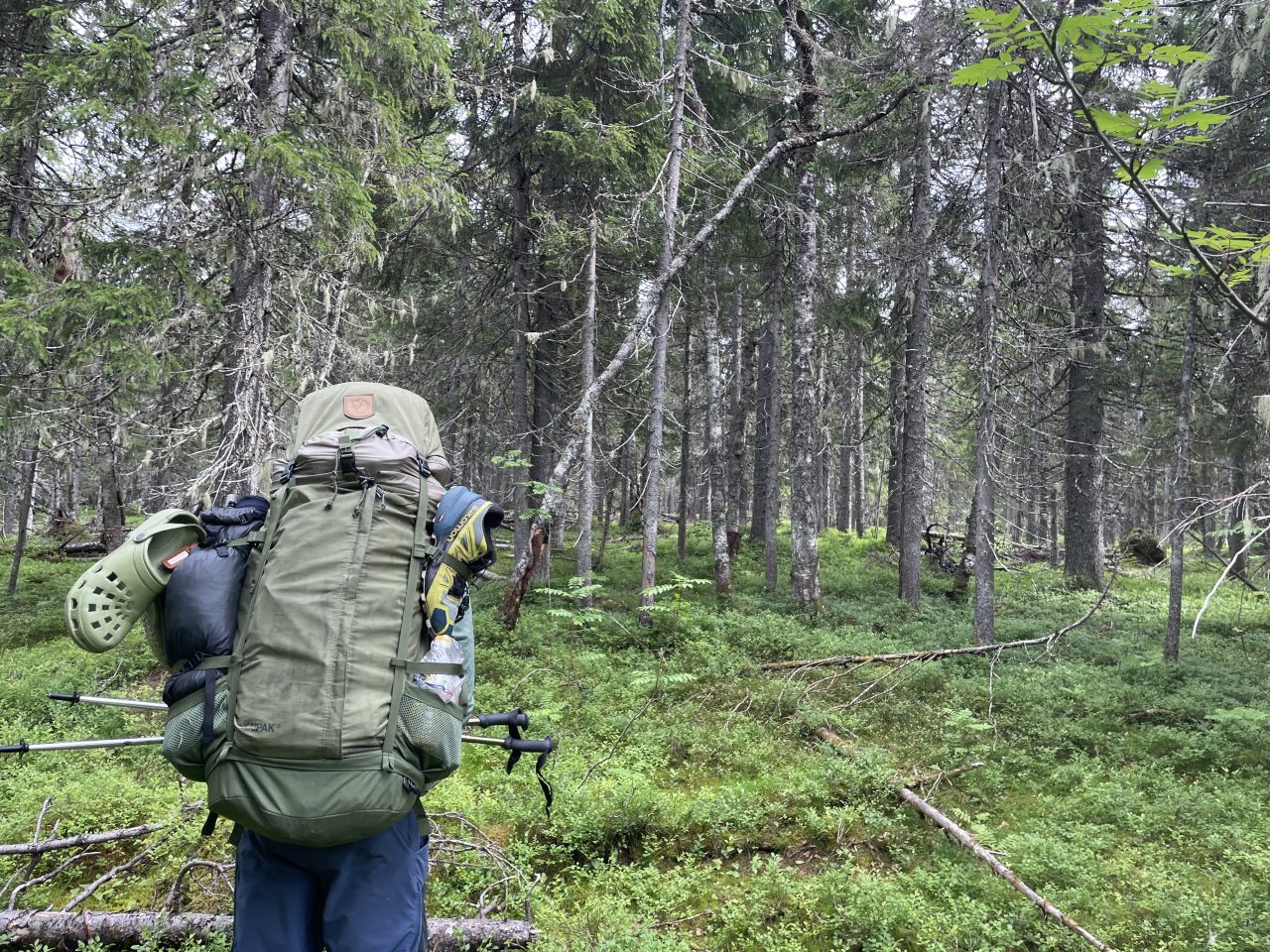
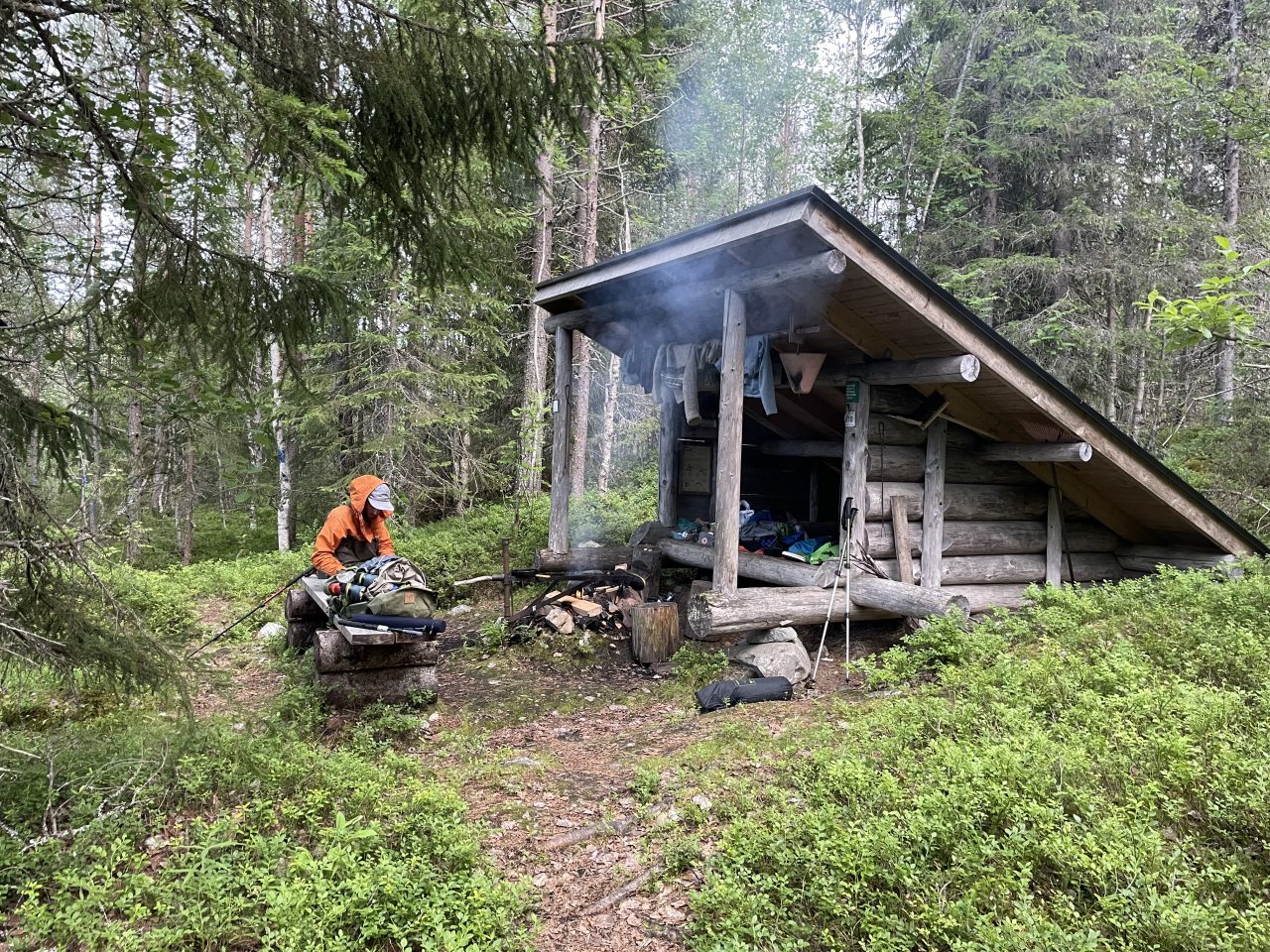
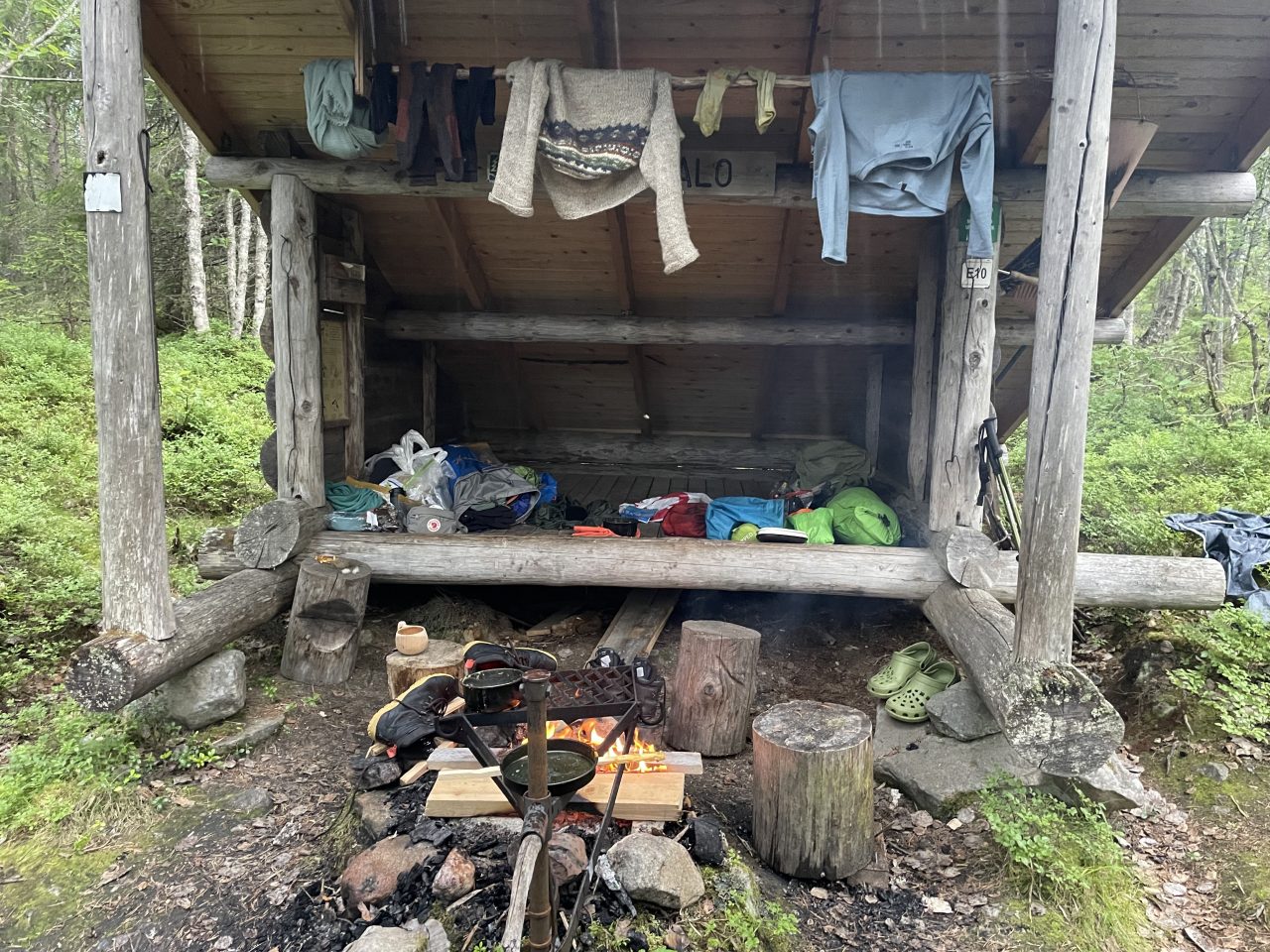
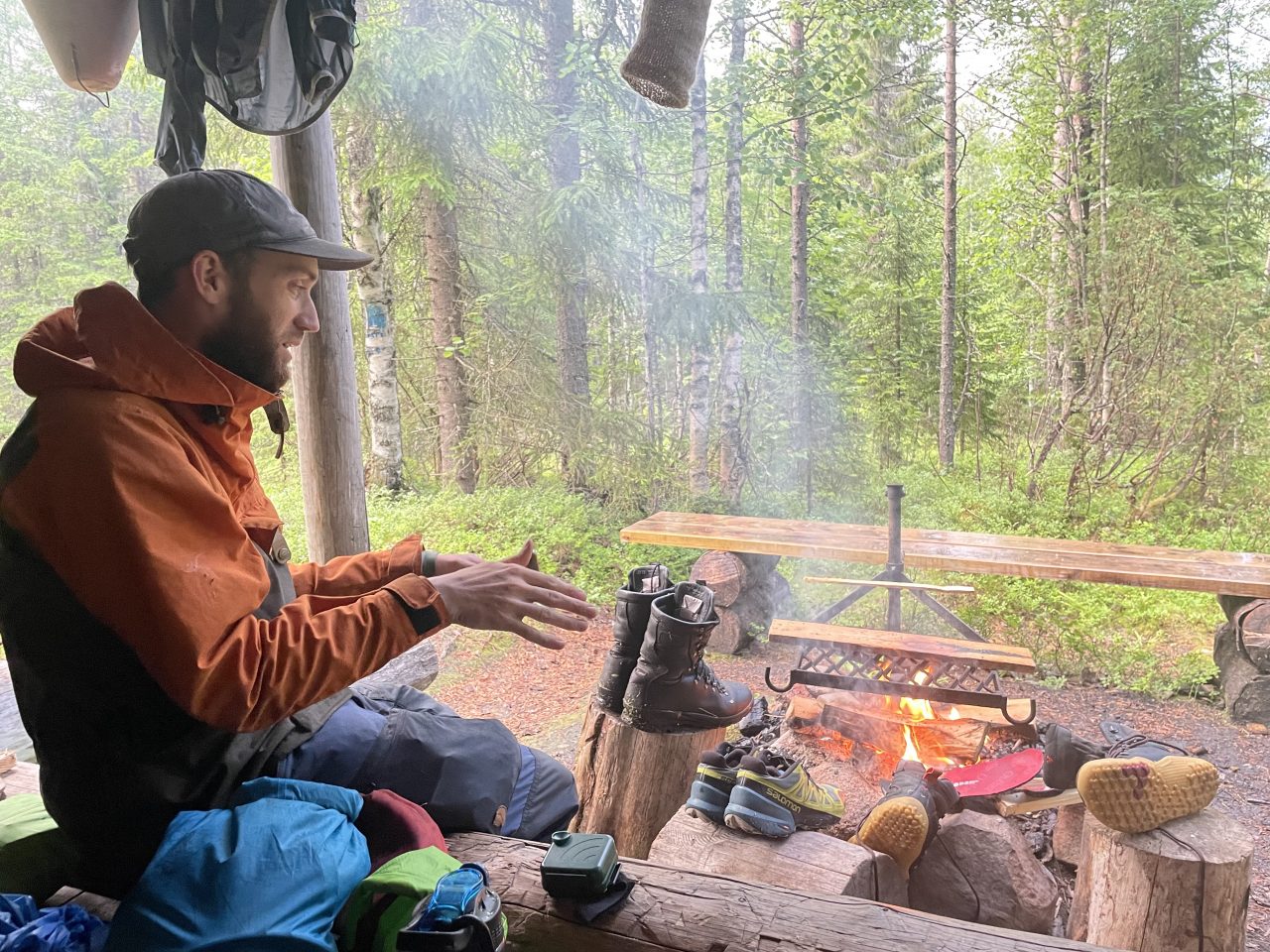
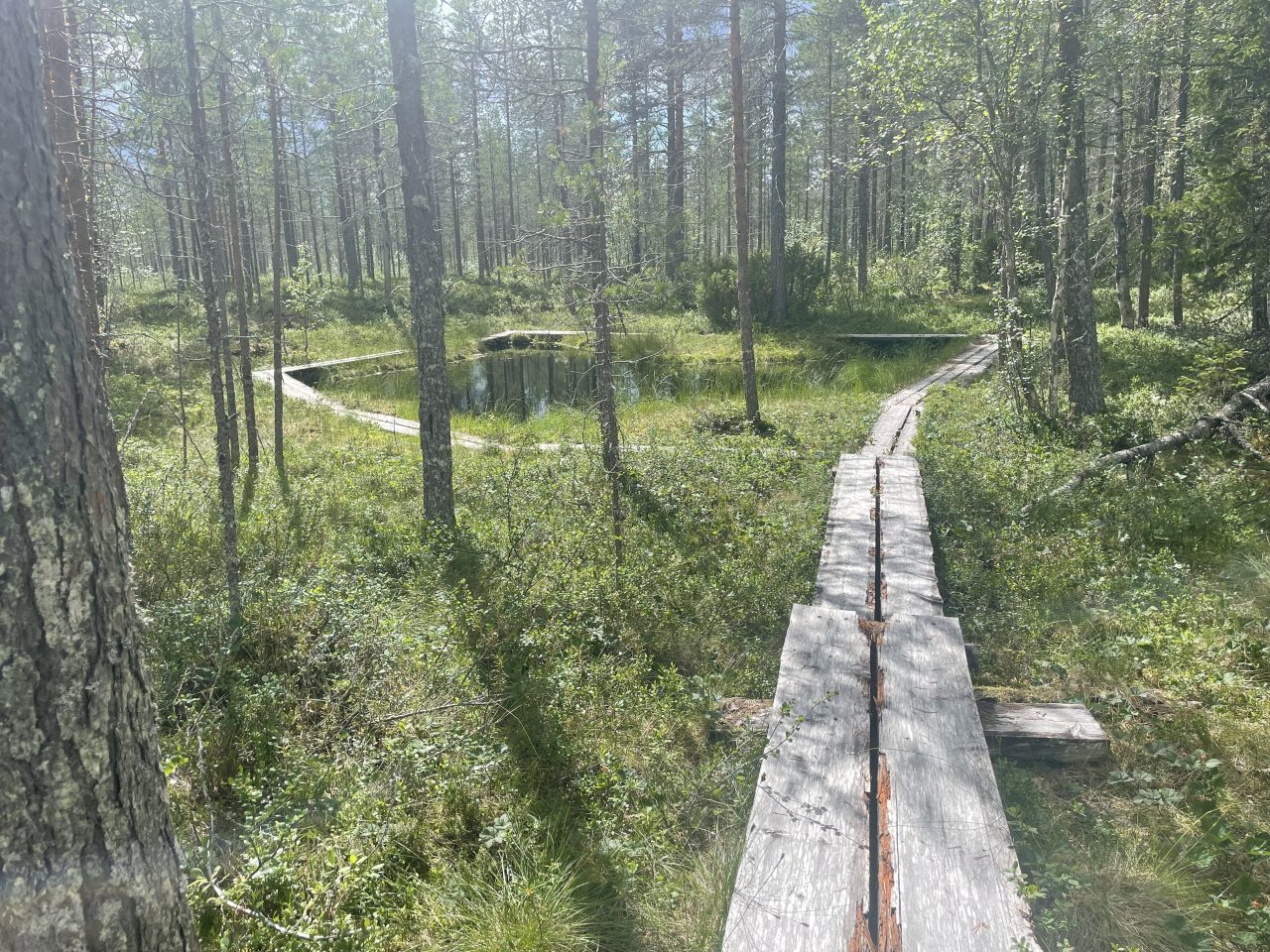
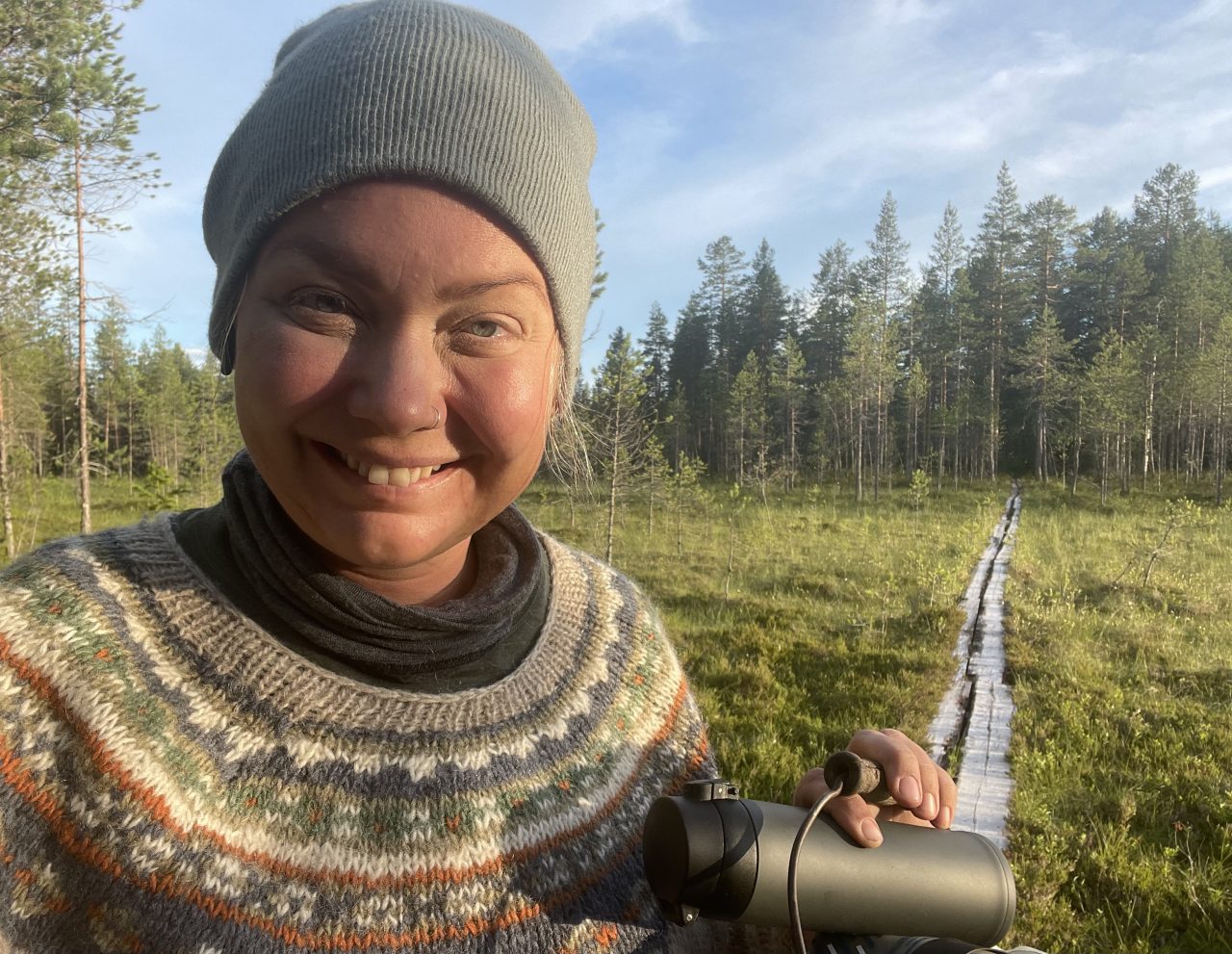
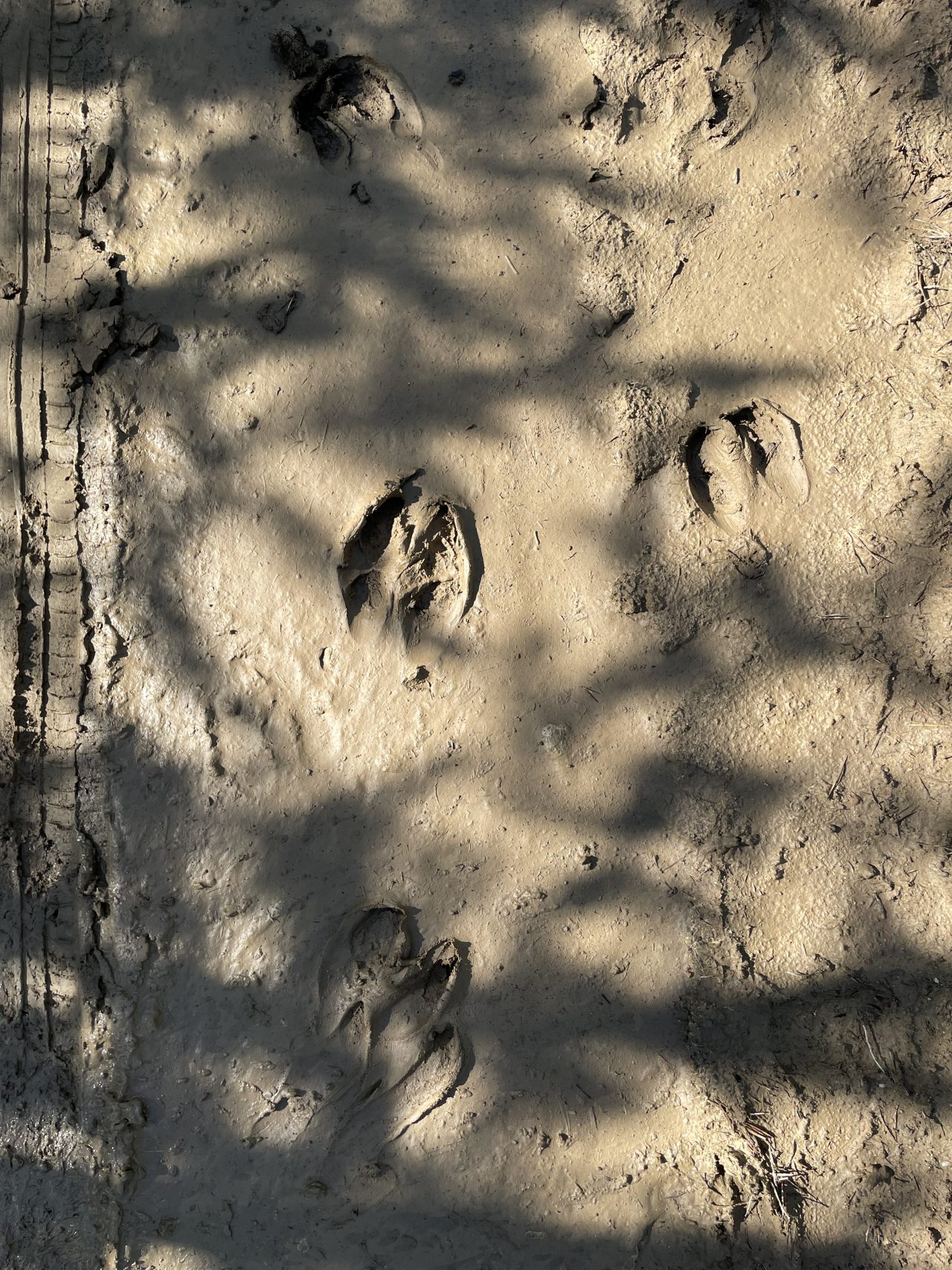
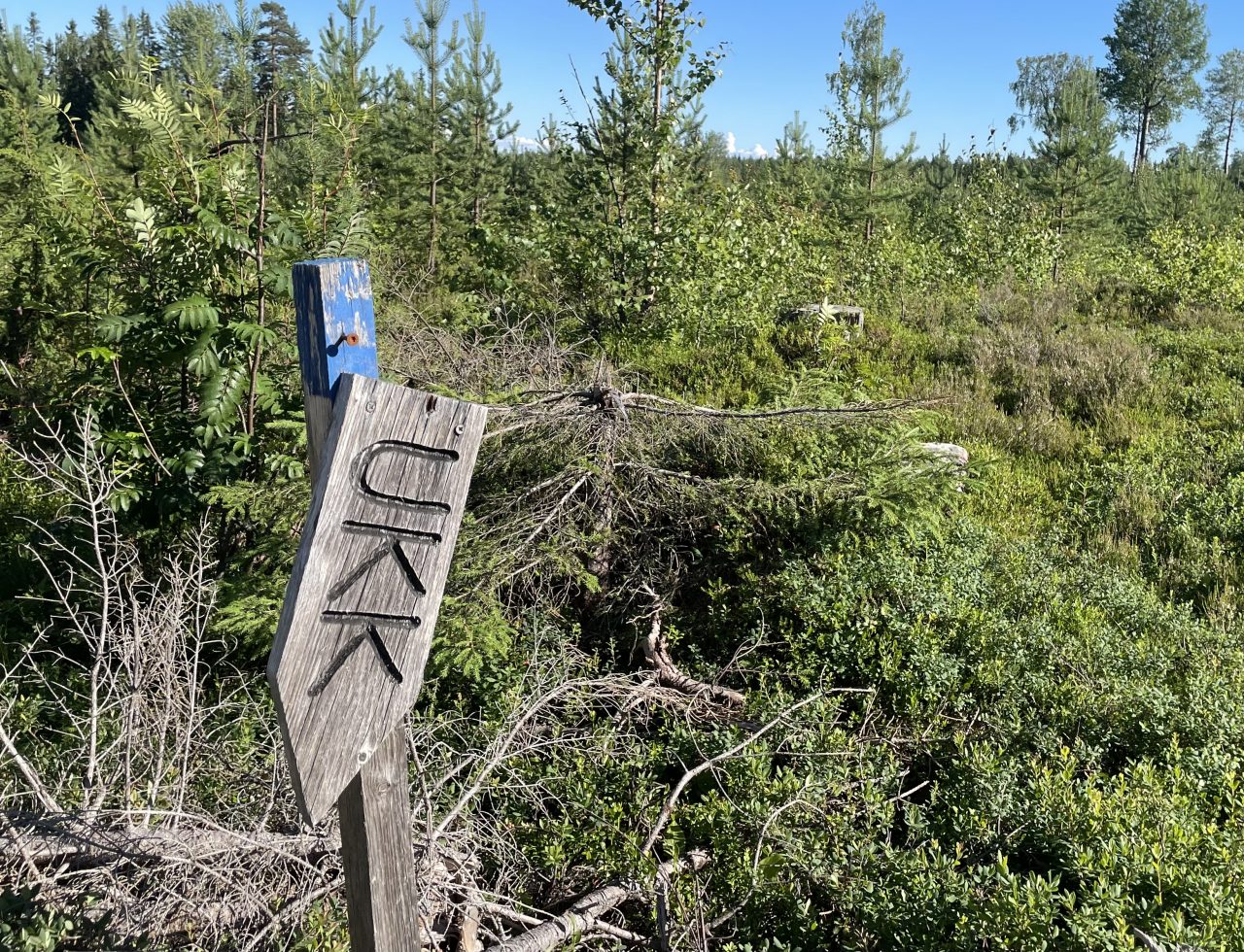
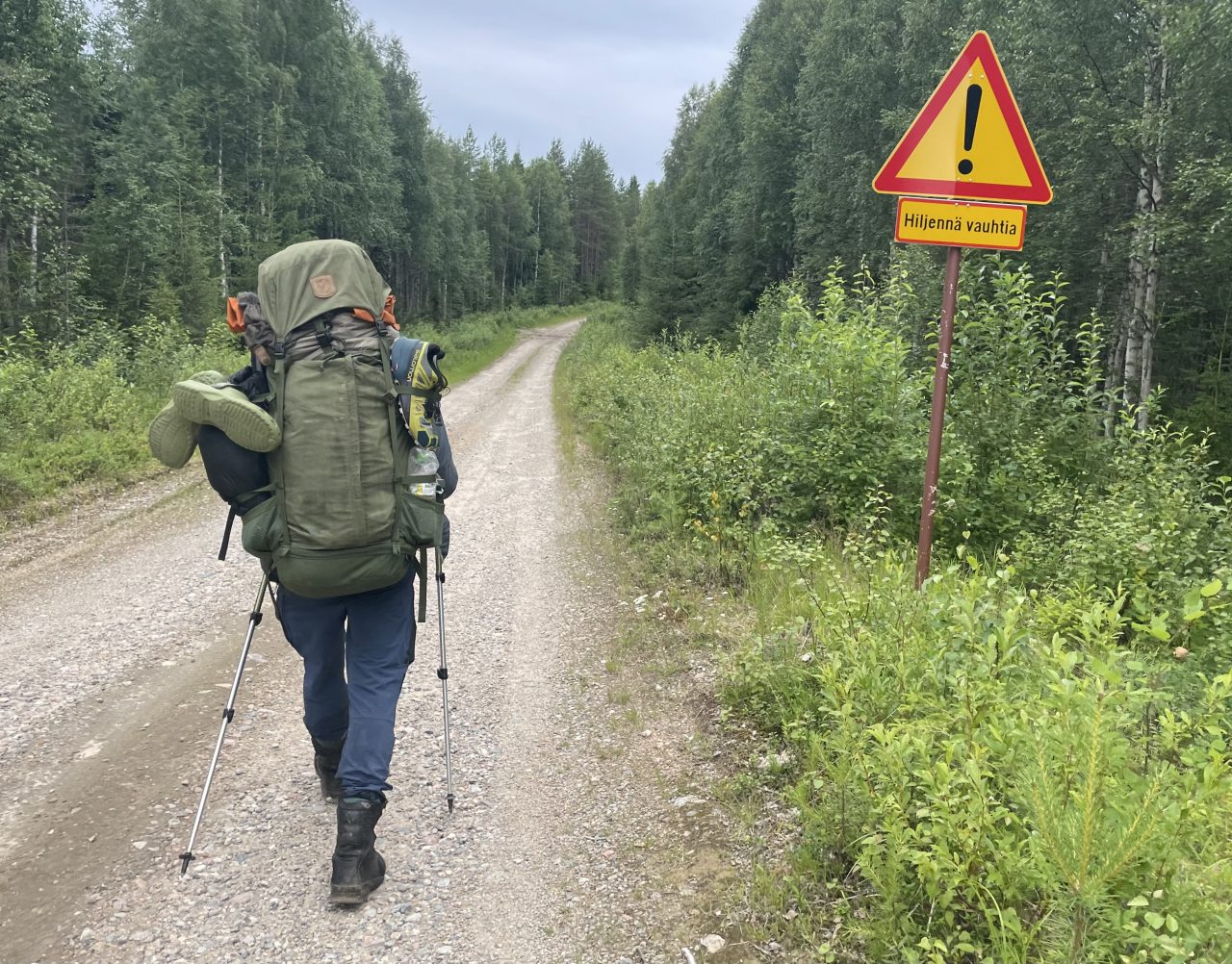
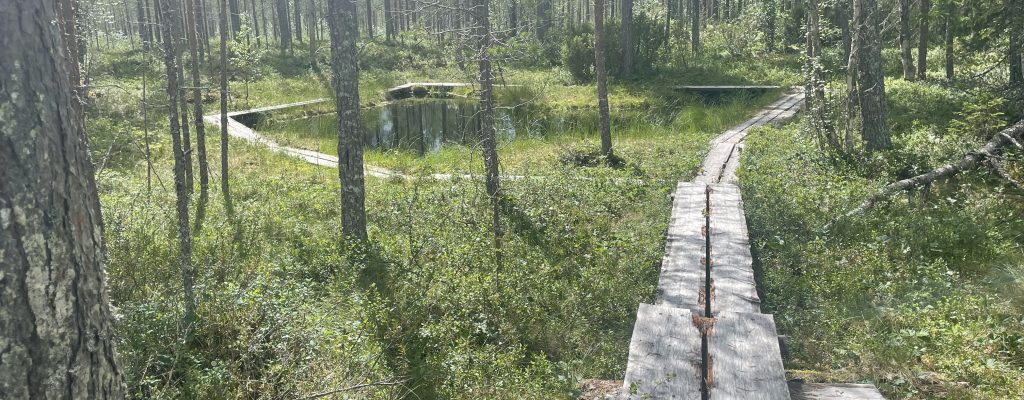
Pilot walk along the UKK trail in summer 2024
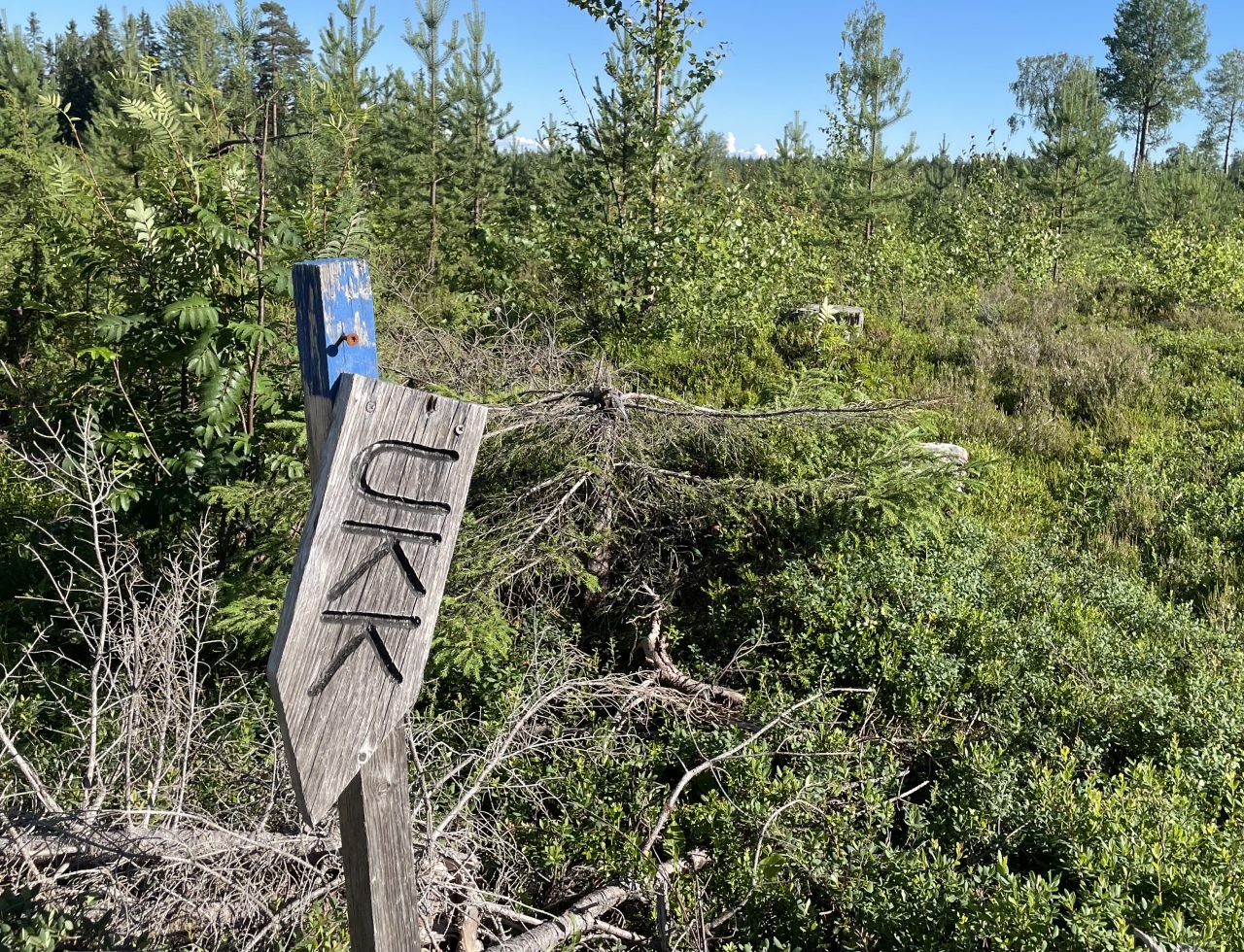
Walking through unknown territory has been historically undertaken by pilgrims in search of moral or spiritual significance and transformation. Today, we are witnessing walking movements in the North like “climate pilgrimages” and “walks for the future” that offer an opportunity for embodied reflection on the ecological crisis and our role within it. Contemporary artistic and curatorial events have also taken place along trails, such as the performative pilgrimages initiated through the Future Farmers’ Flatbread Society project in Oslo, Norway (2012-) and the lecture and performance formats introduced along the UKK trail in Kainuu, Finland during the Mustarinda Community Convention. Drawing inspiration from these movements along with research on slow travel, degrowth, bushcraft, ancestral skills, and cultural rewilding, as well as place-based and wild pedagogies, our ‘Intra-living in the Anthropocene’ research group gathers around the idea of an “ecological pilgrimage” as a walking methodology, social innovation, and form of activism.
Driven by a curiosity of what an ecological pilgrimage could be and become, the members of our team embarked on a pilot walk along the 1000 km long ‘UKK trail” that runs along the Russian border from Koli in North Karelia to the northeast corner of Finnish Lapland/Sápmi. It is named after Finland’s former president Urho Kaleva Kekkonen (UKK), who hiked in this region in the Cold War era; that is when many decisions regarding Finland’s land-use policies were put in place, particularly concerning the building of hydropower dams and the draining of mires and wetlands for use in the forestry industry. Today, the almost forgotten UKK trail follows old trade routes and nature paths and is fragmented by clear-cuts