Pinja Juvonen, Physiotherapist, MHc, Master’s degree Student in Well-being Analytics, Lapland University of Applied Sciences
Milla Immonen, PhD, Principal lecturer, Future Healthcare Services, Lapland University of Applied Sciences
Keywords: children, strength training, resistance training, rehabilitation, pediatric rehabilitation, exercise equipment, health technology, rehabilitation technology.
Introduction
Children’s physical activity and exercise are highly relevant topics, as increasing physical inactivity among children has become a growing concern. According to Rakić et al. (2024, iv), insufficient physical activity among children and adolescents, declining healthy dietary habits, and the increasing prevalence of overweight and obesity raise significant public health concerns. Finland compares relatively well internationally in terms of physical inactivity among children and adolescents (Rakić et al. 2024, 7). Nevertheless, most Finnish children and adolescents still do not achieve recommended levels of physical activity. In Finland, physical activity behaviors among children and adolescents are monitored through the national LIITU studies. According to the most recent LIITU study conducted in 2024, less than one-third of individuals aged 7–20 years meet the physical activity recommendation of at least 60 minutes of daily activity (Hämylä, Villberg, Ng, & Kokko 2025, 22). Hämylä et al. (2025, 22) also highlighted that adherence to these recommendations decreases with age: 37% of children aged 7–15 years achieve the recommended level of activity, compared with only 19% of upper secondary school students.
The importance of physical activity and participation in sports during childhood is widely recognized. Recommendations for children’s physical activity have been established both nationally and internationally. For example, the Finnish Physical Activity Recommendations for Children and Adolescents Aged 7–17 Years published by the Ministry of Education and Culture (Opetus- ja kulttuuriministeriö 2021, 11) encourage children and adolescents to engage in diverse, moderate-to-vigorous physical activity for at least 60 minutes per day while considering individual characteristics and developmental stages, and to avoid excessive sedentary behavior. Similarly, the WHO (World Health Organization 2020, 25) recommends that children and adolescents aged 5–17 years engage in an average of at least 60 minutes of moderate-to-vigorous physical activity daily, with a primary emphasis on aerobic activities.
While physical activity recommendations for children mainly emphasize endurance-type exercise, strength-enhancing activities also play an important role. The WHO recommends engaging in vigorous aerobic activities as well as muscle- and bone-strengthening activities at least three times per week (World Health Organization 2020, 25). Likewise, the Ministry of Education and Culture (Opetus- ja kulttuuriministeriö 2021, 14) recommends strength-oriented exercise three times per week, with activities that provide sufficient muscular loading. Training aimed at developing muscular strength and endurance should ideally begin before puberty through the practice of proper exercise techniques, bodyweight exercises, or activities using light external resistance. Activities such as gym-based exercise, group fitness classes, and stair climbing are also regarded as effective means of developing muscular fitness. (Opetus- ja kulttuuriministeriö 2021, 14.)
Traditionally, strength training for children, particularly when performed with external resistance, has been approached cautiously and has even been considered harmful due to concerns regarding growth disturbances and injury risks. However, current evidence does not support the claim that strength training impairs growth or increases the risk of injury among children (dos Santos Duarte Junior, López-Gil, Caporal, & Mello 2022; Sánchez Pastor, García-Sánchez, Marquina Nieto, & de la Rubia 2023). On the contrary, when appropriately designed and supervised as part of a broader physical activity program, children can derive significant benefits from strength training (Myers, Beam, & Fakhoury 2017; Sánchez Pastor et al. 2023; Shakoor, Sortwell, & Ramirez-Campillo 2025).
The purpose of this article is to describe the principles of strength training and rehabilitation for children aged 7–14 years and to examine the opportunities offered by age-appropriate strength training solutions. The article was commissioned by Ab HUR Oy, a company providing exercise and rehabilitation solutions. The objective is to generate knowledge to support the company’s development work concerning the role of physical activity and strength training in childhood development, the importance of strength training in pediatric rehabilitation, and the potential of safe and age-appropriate strength training solutions for children. The article is based on a narrative literature review of previous research. Microsoft Copilot was used to support the planning of the structure, literature searching, and language editing. The authors reviewed all source materials, verified the original references, and take full responsibility for the content of the article.
Considering Developmental Stages in Children’s Strength Training
Effective strength training programs for children require an understanding of the typical developmental characteristics of children aged 7–14 years. According to Cleland, Mueller, and Gallahue (2017, 40), the specialized movement phase of motor development typically begins around the age of seven and continues through adolescence and beyond. During this period, children progress from mastering fundamental movement skills toward acquiring more specialized motor skills. During late childhood, approximately between the ages of 8 and 12 years, growth in height and body mass is relatively slow but steady. Sensory and motor systems continue to develop, and movement control improves considerably. The rapid growth spurt associated with puberty generally begins at around 10 years of age in girls and 12 years of age in boys. During this stage, children learn quickly and become increasingly capable of performing complex movements. The steady growth characteristic of late childhood gives children time to adapt to their changing bodies, thereby supporting the development of coordination and motor skills. During adolescence, growth and body proportions change at varying rates until physical development eventually stabilizes in adulthood. (Cleland et al. 2017, 40, 42.) Nevertheless, development is not a linear process. The timing and pace of skeletal, sexual, and somatic maturation vary considerably among children and adolescents. (Lesinski, Herz, Schmelcher, & Granacher 2020.)
Strength training for children and adolescents may be designed to develop muscular endurance, strength, power, or combinations of these capacities through the progressive application of training loads. Such training may involve various modalities, including machine-based resistance training, free weights, plyometric exercises, and functional training. (Myers et al. 2017.) Although individual differences require developmentally appropriate approaches, the acquisition of movement skills in children and adolescents is strongly influenced by how teachers and coaches design and implement training programs. The learning of culturally relevant movement skills begins in childhood and continues throughout adolescence into adulthood. (Cleland et al. 2017, 42.) In their systematic review, León-Reyes et al. (2025) emphasize the importance of implementing strength training programs already in primary school while considering children’s individual and social needs. Such an approach can maximize benefits not only for physical and motor development but also for overall well-being, cognitive development, and quality of life (León-Reyes et al. 2025).
Evidence-Based Benefits and Safety of Strength Training in Children
Strength training provides numerous health benefits for children and adolescents, including improvements in muscular strength, bone density, body composition, mental health, and cognitive functioning (Chaabene et al. 2025). Additional benefits include enhanced self-esteem and increased interest in physical activity and exercise (Myers et al. 2017). Strength training may also contribute to the prevention of type 2 diabetes and cardiovascular disease (Chaabene et al. 2025). Furthermore, appropriately implemented strength training programs can reduce the risk of sports-related injuries during adolescence (Myers et al. 2017; Chaabene et al. 2025). According to Lesinski et al. (2020), the benefits of properly supervised resistance training are undeniable, and such training should be widely implemented in schools and incorporated into educational curricula worldwide.
An essential component of promoting physical activity is the active prevention of injuries and the identification of injury risk factors, as injuries impose both health-related and economic burdens. Injuries may lead to withdrawal from sports participation and contribute to declines in physical activity levels during the transition from adolescence to adulthood. In addition, previous injuries increase the risk of subsequent injuries. (Toivo et al. 2025.) The importance of injury-preventive exercise, safe environments, appropriate equipment, and adherence to established rules should be recognized in both sports coaching and school settings (Leppänen, Parkkari, & Toivo 2025, 107–108). A European PARIPRE -project recommendations for the prevention of sports injuries among children and adolescents emphasize the importance of neuromuscular warm-up exercises in reducing injury risk in both sports and physical education settings. Across different sports and age groups, neuromuscular training has been shown to reduce the incidence of all injuries by 37%, acute injuries by 33%, and overuse injuries by 47%. Even greater benefits have been reported for exercise programs focusing on balance and strength training, with reductions of 45% and 66%, respectively. (Leppänen, Toivo, Bakalár, & Parkkari 2023, 4–5.)
To minimize injury risks during strength training, qualified coaching, effective supervision, and individualized resistance training programs are essential (Myers et al. 2017). Training variables such as repetitions, volume, intensity, and recovery periods should be adjusted according to training objectives and participant characteristics. Individual and situational factors that require modifications must also be considered. (León-Reyes et al. 2025.) Both machine-based and free-weight training offer unique advantages and limitations. Supervised machine-based training may provide greater movement stability and can therefore serve as an appropriate learning tool when children and adolescents are first introduced to resistance training. Conversely, children and adolescents who have already achieved a certain level of technical competence may experience greater training adaptations from free-weight exercises compared with machine-based alternatives. (Lesinski et al. 2020.) The development of motor coordination skills is also essential from childhood onwards. These skills provide the foundation for proper exercise techniques during strength training. Furthermore, motor skill acquisition is necessary for injury prevention and for achieving efficient and economical movement patterns and muscular performance. The teaching of these skills should always be adapted to children’s abilities and developmental needs. (León-Reyes et al. 2025.)
Strength Training as Part of Pediatric Rehabilitation
In rehabilitation, strength training has demonstrated potential particularly in pediatric neurology, orthopedics, and metabolic rehabilitation. For example, in pediatric neurological rehabilitation, strength training is considered an appropriate intervention for children and adolescents with cerebral palsy (CP) (Faccioli et al. 2023). Research has shown that strength training can improve lower-limb muscle strength without increasing spasticity (Fang et al. 2026; Merino-Andrés et al. 2022). Positive effects have also been reported in walking speed, standing balance, and gross motor function (Merino-Andrés et al. 2022). In addition, strength training may help prevent declines in physical activity and functional capacity over time (Fang et al. 2026). According to Liu et al. (2025), resistance training also appears to increase measures of muscle fiber diameter in ambulatory children with CP. As training progresses, gradual increases in resistance and exercise volume are recommended (Fang et al. 2026; Liu et al. 2025). Progressive resistance training is considered a safe and effective intervention when properly supervised in clinical settings, schools, or gym environments (Fang et al. 2026).
Within pediatric orthopedics, the benefits of strength training have been examined in the rehabilitation of knee-related conditions. For example, Rathleff et al. (2020) propose that, in the management of Osgood-Schlatter disease, approaches focusing on patellar tendon load management, pain monitoring, strengthening exercises, and a gradual return to sport may provide an alternative to more passive treatment strategies. Their findings suggest that targeted strength training may also help compensate for the long-term negative effects of the condition on strength and physical function (Rathleff et al. 2020). In the rehabilitation of anterior cruciate ligament (ACL) injuries in children and adolescents, strength training is considered essential. However, the content, intensity, and progression of rehabilitation should be adapted to the child’s developmental stage. Compared with adults, rehabilitation in prepubertal children places greater emphasis on movement quality, neuromuscular control, and progressive loading rather than resistance training alone. (van Melick et al. 2023.)
From the perspective of metabolic rehabilitation, combining aerobic exercise with strength training has been identified as an effective approach for improving metabolic health indicators among children and adolescents with overweight or obesity (Kazeminasab, Sharafifard, Miraghajani, Behzadnejad, & Rosenkranz 2023; Liu, Li, Lu, & Zhu 2024). In the meta-analysis by Kazeminasab et al. (2023), aerobic exercise and combined training were found to be effective in reducing fasting glucose, fasting insulin, HOMA-IR, and body weight, whereas strength training alone did not demonstrate similar effects. Likewise, Liu et al. (2024) reported that combined aerobic and strength training positively influenced body composition, cardiorespiratory fitness, blood lipid profiles, and glucose and insulin metabolism. However, no significant effects were observed for inflammatory markers (Liu et al. 2024).
The Role of Strength Training Equipment in Children’s Exercise and Rehabilitation
When designing exercise and rehabilitation equipment for children, it is important to consider rapid growth, individual developmental differences, and variation in motor skills. Strength training should be safe regardless of the user’s size, functional ability, or training goals. Therefore, special attention should be paid to equipment ergonomics, adjustability, and safe operation. (Cleland et al. 2017; Lesinski et al. 2020; Rabin, Bowles, & Shin 2025.)
The effectiveness of strength training depends primarily on appropriate training design, supervision, and load management rather than on the use of any specific type of equipment (Myers et al. 2017; Sánchez Pastor et al. 2023; Chaabene et al. 2025). However, Lesinski et al. (2020) note that machine-based training can provide a stable and safe exercise environment, particularly for children and adolescents who are new to resistance training. Controlled movement patterns may facilitate learning proper exercise technique, while adjustable resistance allows training to progress according to individual development and capabilities.
Another advantage of exercise equipment is the precise control of training loads and the high repeatability of exercises. Resistance can be increased gradually according to a child’s developmental stage and functional capacity, supporting the implementation of progressive resistance training. In rehabilitation settings, a controlled training environment may be particularly beneficial when balance, motor control, or movement skills are still developing or are limited due to injury or health conditions. Standardized training conditions may also facilitate rehabilitation monitoring and support the use of training data in research and clinical practice. (Lesinski et al. 2020; Myers et al. 2017.) Adherence to training is an important factor influencing the achievement of exercise and rehabilitation goals in children. Training environments, equipment, and exercises should be age-appropriate and engaging to encourage long-term participation (León-Reyes et al. 2025; Chaabene et al. 2025).
Various gamified solutions have been introduced in pediatric rehabilitation to increase participation and improve the overall training experience. In a study by Infante-Sánchez et al. (2026), a gamified rehabilitation device increased children’s engagement in exercise and provided real-time performance feedback. Competitive elements may motivate some children, but they are not suitable for all users. Therefore, gamification strategies should also include alternative approaches to support different motivational needs. Enjoyable exercise experiences may contribute to broader well-being, as strength training and other physical activity interventions have been associated with positive effects on self-esteem, psychological well-being, and long-term participation in physical activity (Chaabene et al. 2025; Shakoor et al. 2025). Furthermore, emerging evidence suggests that gamified elements can enhance motivation, participation, and adherence to exercise programs, particularly in neurological rehabilitation (Iosa, Verrelli, Gentile, Ruggieri, & Polizzi 2022; Pimentel-Ponce et al. 2024).
Digital exercise equipment also enables monitoring of training volume, workload, and performance. Data collected by such devices can complement clinical observation and support the evaluation of rehabilitation progress (Hotiet, Baffigo, Truffelli, Simonini, & Dellepiane 2025; Infante-Sánchez et al. 2026). Training data can be used to monitor adherence to exercise programs, assess the suitability of load progression, and guide individualized modifications to training plans. Objective measurement data may also support clinical decision-making and facilitate rehabilitation documentation.
The design of exercise and rehabilitation equipment for children requires balancing several objectives. Equipment should enable safe, developmentally appropriate training, support the acquisition of motor skills, and allow individualized adjustment of training loads. Although direct evidence regarding the impact of specific equipment design features on rehabilitation outcomes remains limited, user-centered design, motivating features, feedback mechanisms, and performance monitoring have been shown to support children’s participation and adherence to exercise programs (Infante-Sánchez et al. 2026; Hotiet et al. 2025; Melamed Yekel, Gefen, & Weiss 2026). Similar design principles have also been identified in studies examining the development of game-based rehabilitation systems (Elaklouk, Ramli, Alakklouk, & Rahim 2025).
HUR as a Developer of Strength Training Solutions for Children
HUR is a manufacturer and supplier of exercise solutions offering a range of strength, cardiovascular, balance, and assessment equipment. The company specializes in solutions that support active ageing, rehabilitation, sports performance, and inclusive well-being. HUR was founded in 1989 based on a research project conducted at the Helsinki University of Technology, and research has remained at the core of its operations ever since. Its products are manufactured in Kokkola, Finland, and HUR equipment is currently available in more than 30 countries. (HUR 2026c.)
In response to increasing physical inactivity among children and adolescents, growing mental health challenges, and the need for dedicated strength training solutions in rehabilitation, HUR has developed a new product line specifically designed for children’s strength training. The development of the product line has emphasized safety, adaptability, support for movement control, and the needs of early-stage rehabilitation. The aim is to provide a scientifically validated, therapist-supported solution suitable for neurological, orthopaedic, and metabolic rehabilitation, while adhering to international physical activity guidelines for children and relevant safety standards. (Zamora 2025a.) The aim of the product line is to promote the safe introduction of strength training among children aged 7–14 years and to support the development of physically active lifestyles. Attention has been given to motivation, ergonomics, and age-appropriate usability during the design process. In addition to rehabilitation, the product line is intended for use in research, education, and preventive health programs. (Zamora 2025b.) The development project has received co-funding from the European Union (HUR 2026a), and the equipment has been approved as a medical device.
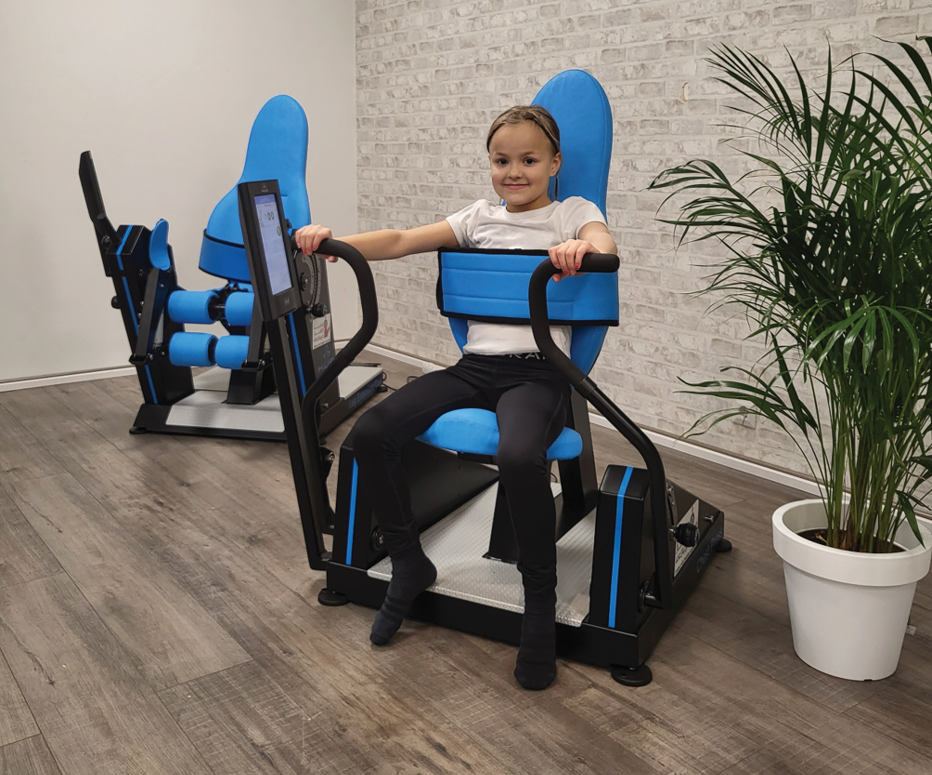
Figure 1. HUR equipment designed for children’s strength training and rehabilitation.
HUR’s pneumatic resistance training equipment can be integrated with the HUR SmartTouch™ system. This intelligent system enables individual user identification through an RFID wristband or card, allowing machine settings and resistance levels to be adjusted automatically according to a predefined exercise program. The system also records training performance, enabling monitoring and reporting of exercise outcomes. (HUR 2026b.) Within the children’s product line, training progress can be monitored through an integrated touchscreen and RFID-based user identification system. These features support children’s engagement in training while enabling exercise programs to be monitored and adjusted when necessary. (Zamora 2025a.)
Successful implementation of rehabilitation technology requires evidence of effectiveness, good usability, user acceptance, sufficient professional competence, and organizational support within the operating environment (Stockley, Gooch, Jarvis, & Watkins 2026). Long-term adoption is further supported by collaboration among stakeholders and by ensuring that the technology integrates effectively into existing practices while meeting individual user needs (Olsen, Lim, Alder, Stavric, & Signal 2025). To date, the pediatric strength training product line has been piloted and evaluated through research collaborations in Riyadh, Saudi Arabia, and in Finland at the Mehiläinen Medirex rehabilitation unit and the University of Jyväskylä. Currently, four devices are in active research use at the University of Jyväskylä. Based on findings from pilot projects, research activities, and user feedback, product development continues with a particular focus on usability, user experience, and gamified features. At the same time, additional research data are being collected on training implementation and outcomes, and collaboration with existing research and pilot partners is ongoing. According to the company, the long-term aim is to develop exercise solutions for children and evaluate the usability and effectiveness of these solutions through pilot projects and research collaborations. This approach would support evidence-informed development and implementation. (Zamora 2025a.)
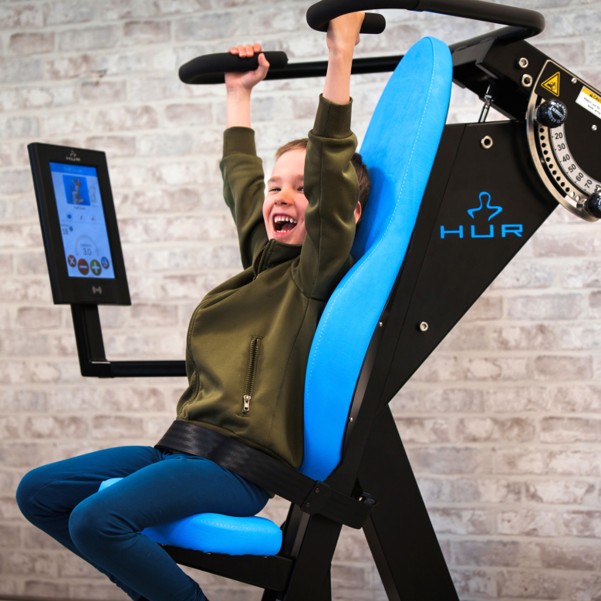
Figure 2. The HUR equipment has been designed to support strength training for children and adolescents, incorporating features intended to promote safe exercise participation and long-term engagement.
Conclusion
This article examined the principles of strength training and rehabilitation for children aged 7–14 years, as well as the potential of age-appropriate strength training solutions. Strength training offers broad opportunities to support children’s health, well-being, and rehabilitation. Effective strength training requires consideration not only of age-related developmental stages but also of individual needs and abilities. Safe training further depends on appropriate supervision and the use of suitable equipment. One approach to implementing strength training is supervised machine-based exercise, which can also serve as a valuable learning tool for children who are beginning resistance training.
When designing strength training solutions for children, attention should be paid to safety, age-appropriate exercise, and the ability to adjust training loads according to individual needs. Exercise equipment can support training by providing controlled movement patterns, precisely adjustable resistance, and opportunities to monitor training progress. In digital training environments, performance monitoring, feedback, and gamified features may support children’s participation and adherence to exercise programs. Data collected by exercise equipment can facilitate the monitoring of training progress, complement clinical observations, and contribute to the evaluation of rehabilitation outcomes.
Through its ongoing development project, HUR seeks to promote physical activity and well-being among children and adolescents by developing new digital exercise solutions. The initiative is driven by concerns about declining physical activity levels among young people and the need for innovative approaches that motivate and encourage participation in exercise. The solutions being developed aim to support safe, inclusive, and sustainable participation in training across both exercise and rehabilitation settings. (HUR 2026a.) The objective of the new product line is to support the principles of pediatric strength training and rehabilitation while enabling training through age-appropriate solutions.
In conclusion, solutions specifically designed for children’s strength training offer additional opportunities to promote physical activity, well-being, and rehabilitation. Technology enables the utilization of exercise-related data to support individualized guidance, decision-making, monitoring, and service development. However, research evidence regarding the effectiveness of technological solutions in children’s strength training remains limited. Demonstrating their effectiveness will require continued research and development efforts over the long term. Future studies are particularly needed to examine how strength training solutions influence children’s motivation, adherence to training, and the outcomes of both exercise and rehabilitation programs.
References
Chaabene, H., Ramirez-Campillo, R., Moran, J., Schega, L., Prieske, O., Sandau, I., Negra, Y., Behrens, M. 2025. The Era of Resistance Training as a Primary Form of Physical Activity for Physical Fitness and Health in Youth Has Come. Sports medicine, Vol 55, Nro 9, 2073–2090. Accessed on 10 May 2026. https://doi.org/10.1007/s40279-025-02240-3.
Cleland, F. E., Mueller, S. S., & Gallahue, D. L. 2017. Developmental physical education for all children: Theory into practice. Fifth edition. Human Kinetics. E-book.
dos Santos Duarte Junior, M. A., López-Gil, J. F., Caporal, G. C. & Mello, J. B. 2022. Benefits, risks and possibilities of strength training in school Physical Education: a brief review. Sports Sciences for Health 2022, Vol 18, Nro 1, 11–20. Accessed on 26 November 2025. https://doi.org/10.1007/s11332-021-00847-3.
Elaklouk, A. M.S, Ramli, R. Z., Alakklouk, S. M.M., & Rahim, N. 2025. Design Guidelines for a Game-Based Physical Rehabilitation System: Focus Group Study. JMIR human factors, 12, e67336. Accessed on 7 October 2026. https://doi.org/10.2196/67336
Faccioli, S., Pagliano, E., Ferrari, A., Maghini, C., Siani, M. F., Sgherri, G., Cappetta, G., Borelli, G., Farella, G. M., Foscan, M., Viganò, M., Sghedoni, S., Perazza, S. & Sassi, S. 2023. Evidence-based management and motor rehabilitation of cerebral palsy children and adolescents: A systematic review. Frontiers in neurology, Vol 14, 1171224. Accessed on 23 June 2026. https://doi.org/10.3389/fneur.2023.1171224.
Fang, Y., Zhang, W., Zhang, Y., Dong, P., Li, H., & Sriramatr, S. 2026. The effects of progressive resistance training on lower limb strength in adolescents with cerebral palsy: A systematic review and meta-analysis. Journal of back and musculoskeletal rehabilitation, 10538127261428185. Accessed on 29 May 2026. https://doi.org/10.1177/10538127261428185.
Hotiet, H., Baffigo, C., Truffelli, R., Simonini, M., & Dellepiane, S. 2025. Exergaming metrics for objective assessment of pediatric rehabilitation. 2025 IEEE 11th World Forum on Internet of Things (WF-IoT), 1–7. IEEE. Accessed on 7 October 2026. https://doi.org/10.1109/WF-IoT64238.2025.11270649
HUR 2026a. HUR kehittää uusia ratkaisuja lasten ja nuorten liikuntamotivaation tukemiseen. Article 13 May 2026. Accessed on 16 September 2026. https://hur.fi/hur-kehittaa-uusia-ratkaisuja-lasten-ja-nuorten-liikuntamotivaation-tukemiseen/.
HUR 2026b. Hur SmartTouch™ ekosysteemi. Accessed on 3 May 2026. https://hur.fi/hur-smarttouch-ekosysteemi/.
HUR 2026c. Tietoa HURista. Accessed on 3 April 2026. https://hur.fi/tietoa-hurista/.
Hämylä, R., Villberg, J., Ng, K. & Kokko, S. 2025. Itsearvioitu liikunta-aktiivisuus, liikuntatilanteet, liikkumisympäristöt ja liikkumisen seurantalaitteet. Teoksessa S. Kokko & R. Hämylä (toim.) Lasten ja nuorten liikuntakäyttäytyminen Suomessa. LIITU-tutkimuksen tuloksia 2024. Valtion liikuntaneuvoston julkaisuja 2025:1. Accessed on 25 November 2025. https://www.liikuntaneuvosto.fi/wp-content/uploads/2025/05/LIITU-2024-raportti.pdf.
Infante-Sánchez, D., Bourazeri, A., Lira, T. C., Vázquez, I. L., Espino, E. E., Carrillo, P. E. R., & Alvarado, A. J. H. 2026. Gamified Shoulder Wheel: Enhancing Pediatric Engagement and Data Collection. International Journal of Serious Games, 13(2), 115–134. Accessed on 7 October 2026. https://doi.org/10.17083/98yp7690
Iosa, M., Verrelli, C.M., Gentile, A.E., Ruggieri, M. and Polizzi, A. (2022) Gaming Technology for Pediatric Neurorehabilitation: A Systematic Review. Frontiers in Pediatrics. Pediatric Neurology. 10:775356. Accessed on 7 October 2026. https://doi.org/10.3389/fped.2022.775356
Kazeminasab, F., Sharafifard, F., Miraghajani, M., Behzadnejad, N., & Rosenkranz, S. K. 2023. The effects of exercise training on insulin resistance in children and adolescents with overweight or obesity: A systematic review and meta-analysis. Frontiers in endocrinology (Lausanne), Vol 14, 1178376. Accessed on 26 June 2026. https://doi.org/10.3389/fendo.2023.1178376.
Leppänen, M., Parkkari, J. & Toivo, K. 2025. Liikuntavammat koulussa, vapaa-ajalla ja urheiluseuroissa. Teoksessa S. Kokko & R. Hämylä (toim.) Lasten ja nuorten liikuntakäyttäytyminen Suomessa. LIITU-tutkimuksen tuloksia 2024. Valtion liikuntaneuvoston julkaisuja 2025:1. Accessed on 24 June 2026. https://www.liikuntaneuvosto.fi/wp-content/uploads/2025/05/LIITU-2024-raportti.pdf.
Leppänen, M., Toivo, K. Bakalár, P. & Parkkari, J. 2023. Päivitetyt suositukset lasten ja nuorten liikuntavammojen ehkäisyyn – PARIPRE-projektikumppanien puolesta. Lasten ja nuorten liikuntavammojen ehkäisy (PARIPRE). www.paripre.eu. Accessed on 24.6.2026. https://ukkinstituutti.fi/wp-content/uploads/2025/03/2023-paripre-paivitetyt-suositukset-lasten-ja-nuorten-liikuntavammojen-ehkaisyyn.pdf.
León-Reyes, B. B., Galeano-Rojas, D., Gámez-Vílchez, M., Farias-Valenzuela, C., Hinojosa-Torres, C., & Valdivia-Moral, P. 2025. Strength Training in Children: A Systematic Review Study. Children Vol 12, Nro 5, 623. Accessed on 10 May 2026. https://doi.org/10.3390/children12050623.
Lesinski, M., Herz, M., Schmelcher, A., & Granacher, U. 2020. Effects of Resistance Training on Physical Fitness in Healthy Children and Adolescents: An Umbrella Review. Sports medicine (Auckland) Vol 50, Nro 11, 1901-1928. Accessed on 24 June 2026. https://doi.org/10.1007/s40279-020-01327-3.
Liu, B., You, J., Fan, Y., Xia, Y., Zhang, X., & Zhang, Y. 2025. Resistance or power training to enhance lower limb muscle morphology in ambulatory children with cerebral palsy? A focused systematic review with meta-analysis. Frontiers in pediatrics, Vol 13, 1546156. Accessed on 10 May 2026. https://doi.org/10.3389/fped.2025.1546156.
Liu, X., Li, Q., Lu, F. & Zhu, D. 2024. Effects of aerobic exercise combined with resistance training on body composition and metabolic health in children and adolescents with overweight or obesity: systematic review and meta-analysis. Frontiers in Public Health, Vol 12, 1409660. Accessed on 26 August 2026. https://doi.org/10.3389/fpubh.2024.1409660.
Melamed Yekel A., Gefen N. & Weiss P.L. 2026. Participatory co-design of pediatric rehabilitation technologies: a practice-based perspective. Frontiers in Medicine, Regulatory Science. 13:1809380. Accessed on 7 October 2026. https://doi.org/10.3389/fmed.2026.1809380.
Merino-Andrés, J., García de Mateos-López, A., Damiano, D. L., & Sánchez-Sierra, A. 2022. Effect of muscle strength training in children and adolescents with spastic cerebral palsy: A systematic review and meta-analysis. Clinical rehabilitation Vol 36, Nro 1, 4–14. Accessed on 10 May 2026. https://doi.org/10.1177/02692155211040199.
Myers, A. M., Beam, N. W., & Fakhoury, J. D. 2017. Resistance training for children and adolescents. Translational pediatrics, Vol 6, Nro 3, 137–143. Accessed on 29 November 2025. https://doi.org/10.21037/tp.2017.04.01.
Olsen, S., Lim, X. M. L., Alder, G., Stavric, V., & Signal, N. 2025. Factors influencing adoption and sustained use of rehabilitation technologies: a scoping review and qualitative analysis. Disability and Rehabilitation: Assistive Technology, Vol 20, Nro 4, 804–822. Accessed on 16 September 2026. https://doi.org/10.1080/17483107.2024.2435571.
Opetus- ja kulttuuriministeriö 2021. Liikkumissuositus 7–17-vuotiaille lapsille ja nuorille. Opetus- ja kulttuuriministeriön julkaisuja 2021:19. Accessed on 25 November 2025. http://urn.fi/URN:ISBN:978-952-263-853-3.
Pimentel-Ponce, M., Romero-Galisteo, R. P., Palomo-Carrión, R., Pinero-Pinto, E., Antonio Merchán-Baeza, J., Ruiz-Muñoz, M., Oliver-Pece, J., & González-Sánchez, M. 2024. Gamification and neurological motor rehabilitation in children and adolescents: a systematic review. Neurologia, 39(1), 63–83. Accessed on 7 October 2026. https://doi.org/10.1016/j.nrleng.2023.12.006.
Rabin, J., Bowles, S., & Shin, M. R. 2025. A practical guide to strength/resistance training in pediatrics ages 7 through 18 years old. Current problems in pediatric and adolescent health care, 55(11), 101885. Accessed on 7 October 2026. https://doi.org/10.1016/j.cppeds.2025.101885.
Rakić, J. G., Hamrik, Z., Dzielska, A., Felder-Puig, R., Oja, L., Bakalár, P., Nardone, P., Ciardullo, S., Abdrakhmanova, S., Adayeva, A., Kelly, C., Fismen, A.-S., Wilson, M., Brown, J., Inchley, J. & Ng, K. 2024. A focus on adolescent physical activity, eating behaviours, weight status and body image in Europe, Central Asia and Canada. Health Behaviour in School-aged Children international report from the 2021/2022 survey. Vol 4. Copenhagen: WHO Regional Office for Europe; 2024. Accessed on 25 November 2025. https://www.who.int/europe/publications/i/item/9789289061056.
Rathleff, M. S., Winiarski, L., Krommes, K., Graven-Nielsen, T., Hölmich, P., Olesen, J. L., Holden, S. & Thorborg, K. 2020. Activity Modification and Knee Strengthening for Osgood-Schlatter Disease: A Prospective Cohort Study. Orthopaedic journal of sports medicine, Vol 8, Nro 4, 2325967120911106. Accessed on 23 June 2026. https://doi.org/10.1177/2325967120911106.
Sánchez Pastor, A., García-Sánchez, C., Marquina Nieto, M., & de la Rubia, A. 2023. Influence of Strength Training Variables on Neuromuscular and Morphological Adaptations in Prepubertal Children: A Systematic Review. International Journal of Environmental Research and Public Health, Vol 20, Nro 6, 4833. Accessed 30 November 2025. https://doi.org/10.3390/ijerph20064833.
Shakoor, E., Sortwell, A., & Ramirez-Campillo, R. 2025. Lifting More Than Weights: Multi-dimensional Health Benefits of Resistance Training in Children. International Journal of Kinesiology and Sports Science Vol 13, Nro 3, 1–4. Accessed on 29 November 2025. https://doi.org/10.7575/aiac.ijkss.v.13n.3p.1.
Stockley, R. C., Gooch, H., Jarvis, K. A., & Watkins, C. L. 2026. Understanding digital health technology implementation in rehabilitation and development of the Rehabilitation Technologies Implementation model. NPJ digital medicine, Vol 9, Nro 1, 421. Accessed on 16 September 2026. https://doi.org/10.1038/s41746-026-02599-1.
Toivo, K., Bakalár, P., Leppänen, M., Parkkari, J., Abazović, E., Šimunič, B., Teraž, K., Malinowska-Cieślik, M., Kopčáková, J., Zelko, A., Michalska, A., Sigmundová, D., Pišot, R. & Paravlić, A. 2025. Frequency of Physical Activity-Related Injuries Among Adolescents: An Umbrella Review. Public health reviews Vol 46, p. 1606767. Accessed on 24 June 2026. https://doi.org/10.3389/phrs.2025.1606767.
van Melick, N., Dietvorst, M., van Oort M. I., Claessens, R. L., Janssen, R. P., Bogie, R., Claussen, W., Greenberg E. M., Grindem, H., Kearney S., van Keulen, M., Lips, M., Macrina, L., McWilliam, D., Moksnes, H., Norris, R., Paterno, M., Picot, B., Piskulic, D., Prato, L. F., Sayer, T., Sethi, F., Silvers-Granelli, H., Truong, L., Whalan, M. & Witvrouw, E. 2023. Anterior Cruciate Ligament Rehabilitation for the 10- to 18-Year-Old Adolescent Athlete: Practice Guidelines Based on International Delphi Consensus. Orthopaedic journal of sports medicine 2023, Vol 11, Nro 7, 23259671231172454. Accessed on 23 June 2026. https://doi.org/10.1177/23259671231172454.
World Health Organization 2020. WHO guidelines on physical activity and sedentary behaviour. World Health Organization. Accessed on 25 November 2025. https://iris.who.int/server/api/core/bitstreams/faa83413-d89e-4be9-bb01-b24671aef7ca/content.
Zamora, M. 2025a. Hur Oy. Hur Pediatric Line – HUR Pediatric Line – Safe, Engaging Strength Training for Children Aged 7–14. Presentation material, 34th Paediatric Work Physiology Conference Peurunka, Finland 9–12 September 2025.
Zamora, M. 2025b. Hur Oy. Hur Pediatric Line – Project Overview (2025). Presentation material 28 August 2025.