Arctic areas, as intrinsically challenging operating areas, require a knowledge of Arctic conditions and the impacts of long distances on activities. In recent years, considerable development work has been conducted in the circular economy field.
Arctic areas, as intrinsically challenging operating areas, require a knowledge of Arctic conditions and the impacts of long distances on activities. In recent years, considerable development work has been conducted in the circular economy field.
Unless circular economy is explained in a way that is understandable, people may think it equals just recycling. Sea Lapland’s Resource Intelligence project challenges the region to think in cycles.
Industrial circular economy has become one of the Lapland’s top areas of expertise and an important part of Lapland’s smart specialisation strategy. The strengthening of circular economy has progressed from the operational phase to the implementation phase.
Today, networking between individuals and organizations more often takes place digitally. For small firms it is a good way to expand the partnerships and to find new customers. My wish is that also in future, Lapland UAS, together with partners, will look to the future and support cross-border projects and educational programmes where the young generation learns about the opportunities of the European Arctic.
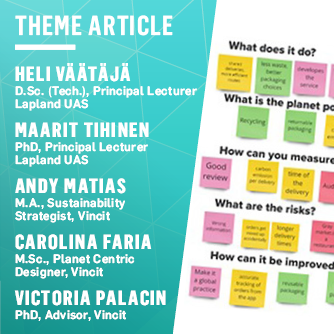
A novel method – Planet-Centric Design – combines service design with systems thinking. The Idea is to increase master degree students’ awareness of sustainability in the design of new services and business concepts. Based on the student feedback, the implementation of the course was successful.
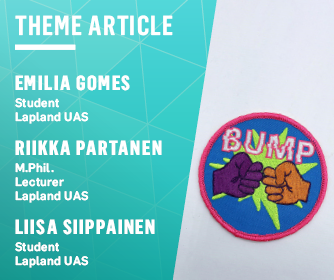
International students often do not seem to be given the chance to actually get acquainted with local Finnish people, as they instead opt to interact and experience local sights with other non-native students in the end. The Culture Bump initiative is to make planners and participants from different countries and cultures interact with one another.
To Lapland UAS, It is important to have continuous discussions and cooperation with companies and organisations in order to be able to follow the latest trends and recognize weak signals which will have impact on the whole tourism industry.
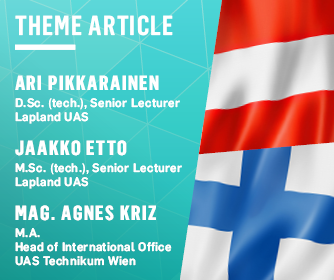
The cooperation between UAS Technikum Wien and Lapland UAS facilitates student and staff exchange and networking. Over the years, the cooperation has evolved over various fields and formats.
Erasmus Goes Green -project finda solutions to reduce the transport-related carbon footprint of higher education students and staff taking part in Erasmus mobility. When it comes to Finland, Lapland and carbon footprint, we cannot change our remote geographical location in Europe. What we can do, however, is to provide exchange students a country with a well working public transportation system.
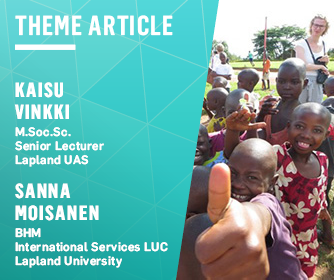
Health Africa Network comprises of eight Universities of Applied Sciences in the fields of Health Care, Social Work and Nutrition in Finland and two partner universities in Kenya and Uganda. Each year International Services of Lapland UAS provides exchange opportunities for students and staff of health care and social services.
It is important for nursing teachers to meet other European colleagues about curricula, the content of the studies and pedagogical solutions. Also the comparison and harmonization of assessment methods and curricula are important issues.
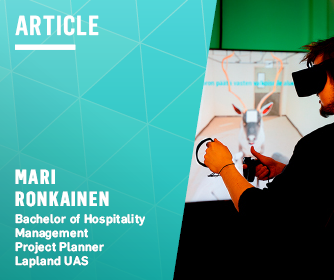
Virtual Slaughterhouse is a new innovation. This learning environment can easily be adapted internationally for the slaughter of other animals, for example, sheep.
Field practice is perhaps the most efficient way for practical learning, but even in practical fields, theory and know-how concepts are relevant part of the education. In the Migael-project we have tackled on this issue from both perspectives, by creating gamified practices for both hands-on-training and teaching theoretical concepts.
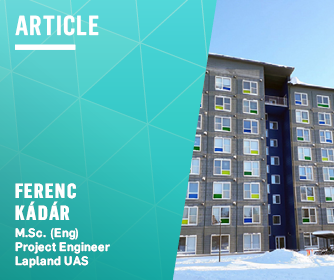
DAS Kelo is an eight-storey student apartment building with a CLT structure, the first storey being made of concrete. It acts as a demonstration building in the Tall Wood project and LaplandUAS is researching it. For monitoring and collecting data, new-generation IoT sensors are used.
Turvallisuus on perustarpeemme, jota etsimme tietoisesti tai tiedostamatta. Kokonaiskokemus muodostuu tunteesta ja kosketeltavasta konkretiasta. Lumen-lehtemme turvallisuusnumero on monipuolinen ja tuoreita lähestymiskulmia tarjoava. Tervetuloa lukijaksi!
In English
2020-luvun Suomi on osana eurooppalaista ja globaalia keskinäisriippuvuutta yhteiskunta, joka tarvitsee uuden, monimuotoisen kokonaisnäkemyksen turvallisuudestaan. Samalla on opittava näkemään kristallinkirkkaasti, että turvallisuusuhkiin reagointi on paljon useampien toimijoiden vastuulla kuin perinteisesti olemme ajatelleet.
In English
Arki muuttuu koko ajan ja turvallisuuden tilannekuva sen mukana. Muutostekijät nousevat paikallisista, alueellisista ja kansainvälisistä kehityskuluista. Artikkelissa esitellään Arjen turvallisuuden tiekartta − aktivoiva osallisuus syrjäytymisen ehkäisyssä -kehittämishanketta varten hankittujen tutkimusaineistojen alustavia tuloksia.
Lineaarinen ajattelu istuu tiukassa nykyajan turvallisuusajattelussa ja muodostaa edelleen perustan turvallisuushallinnolle ja onnettomuustutkinnalle. Dynaaminen, ei-lineaarinen ajattelu sen sijaan lähestyy turvallisuutta kompleksisissa järjestelmissä totutusta monin osin päinvastaisella tavalla.
Digikansalaisten oletetaan ymmärtävän tietoturvaan liittyvät kysymykset ja käyttäytyvän tavalla, joka ei aiheuta kyberturvallisuusongelmia. Kun syrjäisten alueiden digikansalaiset kohtaavat kyberturvallisuushaasteita, sähköisten palvelujen sosiaalinen hyväksyttävyys ja käyttöintensiteetti voi heikentyä.

Turvallisuuden tulee pyrkiä viestimään itsestään käyttäjälähtöisesti. Tämä tarkoittaa, että käyttäjien, meidän kaikkien, tulisi mahdollisimman helposti ja nopeasti ymmärtää, miten meidän toivotaan käyttäytyvän tilanteessa, jossa turvallisuutemme on uhattuna tai vahinko jo tapahtunut.
Psykologisesti turvalliset organisaatiot ovat vähemmistössä, vaikka sen yhteys tiimien ja organisaation menestykseen tunnetaan. Erityisesti kriisiaikoina psykologista turvallisuutta tarvitaan, jotta työyhteisö kykenee yhdessä selviytymään vaikeista ajoista. Ilman psykologisesti turvallista kulttuuria emme uskalla kertoa huolistamme.
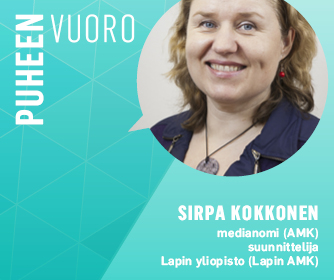
Kotona voi ylirasittua, kun töitä tehdään ”vahingossa” työajan ulkopuolella työ- ja vapaa-aikojen rajojen hämärtyessä: ”Pikaisesti vain vastaan tähän. Ja tähän. Ja vielä tämän hoidan alta pois tässä samalla kun vahdin kattilaa.” Epävarmuus riittävästä tehokkuudesta voi teettää ylen määrin töitä.
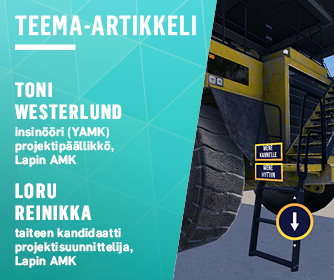
Pelien avulla oppia myös ammatillisia taitoja, uusia työskentelytapoja tai turvallisia toimintamalleja. MiGaEL-hankeessa pelilliset harjoitteet on toteutettu yhdessä kaivosalan ja pelialan asiantuntijoiden kanssa.
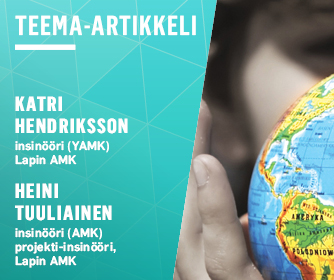
Resurssiviisaus voidaan jaotella neljään pääryhmään: käyttöperusteiset kasvihuonepäästöt, materiaalihäviöt, ekologinen jalanjälki sekä koettu hyvinvointi. Kunnat etenevät kohti edelläkävijöiden joukkoa edistäessään kiertotaloutta purkuhankkeissa ja lisäämällä kaikin tavoin toiminnan vastuullisuutta. Turvallisuuteen kuuluu myös psykologinen turvallisuus.